


What is an explosion proof thermal camera? Here's A Complete Guide to It
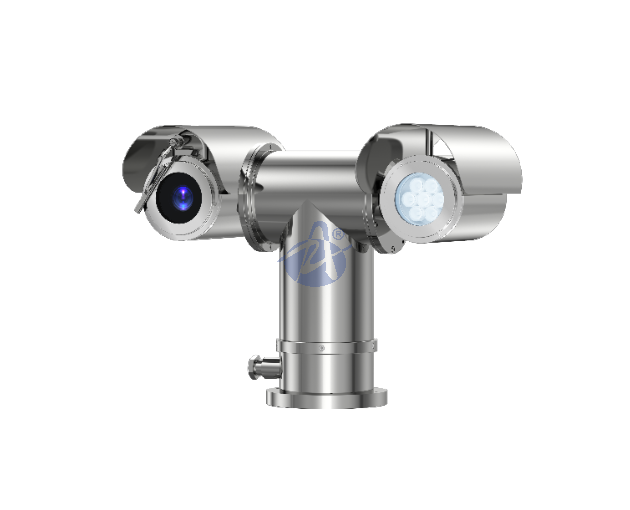
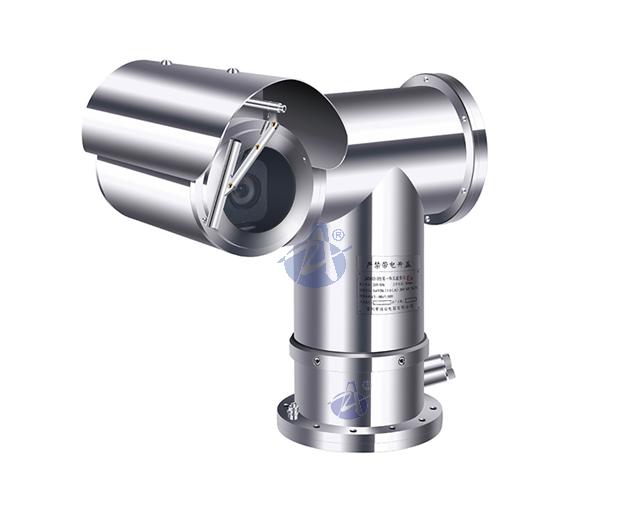
An explosion proof thermal camera provides critical temperature monitoring and safety surveillance in hazardous industrial environments where flammable gases, vapors, or dust particles create explosion risks. These specialized imaging devices combine advanced thermal detection technology with robust explosion proof camera housing to ensure safe operation in classified hazardous locations.
Industrial facilities rely on explosion proof thermal cameras to prevent catastrophic accidents while maintaining operational efficiency. Studies show that over 60% of industrial accidents involve thermal incidents, making these cameras essential for proactive safety management in petrochemical plants, oil refineries, and chemical processing facilities.
Key Takeaways
Explosion proof thermal cameras detect temperature variations and thermal anomalies in hazardous environments where traditional cameras cannot operate safely
These specialized cameras use explosion proof camera housing that contains any potential ignition sources and prevents explosion propagation.
Thermal imaging technology enables early detection of equipment overheating, gas leaks, and fire risks before they become dangerous.
Proper selection requires understanding hazardous area classifications, environmental conditions, and specific monitoring requirements.
Regular maintenance and calibration ensure optimal performance and extend equipment lifespan in challenging industrial conditions.

Explosion Proof Thermal Camera Overview
What Is an Explosion-Proof Thermal Camera?
An explosion-proof thermal camera is a specialized infrared imaging device designed to operate safely in hazardous locations where explosive atmospheres may exist. These cameras combine thermal imaging capabilities with explosion-proof camera housing that meets strict safety standards for classified areas.
The National Fire Protection Association (NFPA) 70 standard establishes requirements for electrical equipment in hazardous locations, ensuring that explosion-proof thermal cameras can operate without creating ignition sources in potentially explosive environments.
Note: Explosion-proof thermal cameras provide non-contact temperature measurement and thermal monitoring in areas where conventional cameras would pose safety risks.
Common applications include monitoring in Class I Division 1 and Division 2 locations, where flammable gases or vapors may be present. The table below shows typical hazardous location classifications and their camera requirements:
Location Class | Hazard Type | Camera Requirements | Safety Standards |
Class I Division 1 | Flammable gases present | Explosion proof housing, intrinsically safe | NFPA 70, UL 1203 |
Class I Division 2 | Flammable gases possible | Explosion proof or non-incendive | NFPA 70, IEC 60079 |
Class II Division 1 | Combustible dust present | Dust-tight explosion proof housing | NFPA 499, UL 1203 |
Class III Division 1 | Ignitable fibers present | Tight construction housing | NFPA 70, local codes |
These measurable standards help you choose the right explosion-proof thermal camera for your specific hazardous environment. Systems must also meet local building codes and industry safety requirements.
How Thermal Cameras Work
Thermal cameras detect infrared radiation emitted by objects and convert it into visible thermal images. All objects above absolute zero temperature emit infrared energy, and thermal cameras use specialized sensors called microbolometers to detect these heat signatures.
The imaging process involves several key components:
Infrared lens focuses thermal energy onto the detector array
Detector array converts thermal energy into electrical signals
Signal processing amplifies and digitizes the thermal data
Display system presents thermal images in real-time
Modern thermal cameras operate in the long-wave infrared (LWIR) spectrum, typically 8-14 micrometers, which provides optimal thermal sensitivity for industrial applications. Advanced thermal imaging sensors can detect temperature differences as small as 0.1°C, enabling precise monitoring of equipment and process conditions.
Tip: Thermal cameras work in complete darkness and through smoke, making them ideal for 24/7 monitoring in challenging industrial environments.
What Do Thermal Cameras Detect?
Thermal cameras detect various thermal signatures that indicate equipment condition, process status, and potential safety hazards:
Equipment Monitoring:
Motor bearing overheating indicates wear or lubrication issues
Electrical connection hot spots showing loose connections or overloading
Pump and compressor thermal anomalies revealing mechanical problems
Heat exchanger fouling and efficiency degradation
Process Monitoring:
Product temperature uniformity in manufacturing processes
Reaction vessel thermal profiles for process optimization
Pipeline thermal patterns indicating flow irregularities
Storage tank thermal stratification monitoring
Safety Applications:
Gas leak detection through thermal signatures
Fire detection and early warning systems
Personnel protection in high-temperature environments
Structural integrity monitoring through thermal stress analysis
Recent industry studies highlight the growing importance of thermal monitoring:
Industrial thermal imaging market expected to reach $8.5 billion by 2028
Over 75% of preventable equipment failures show thermal signatures before catastrophic failure
Thermal monitoring reduces maintenance costs by up to 40% through predictive maintenance programs
Components of Explosion-Proof Thermal Cameras
Explosion Proof Camera Housing
The explosion-proof camera housing serves as the critical safety barrier that prevents ignition sources from escaping the camera enclosure. This specialized housing must withstand internal explosions and prevent flame propagation to the surrounding hazardous atmosphere.
Key Housing Features:
Flame-tight construction prevents hot gases from escaping
Pressure-resistant design contains internal explosions
Certified materials meet hazardous location requirements
Environmental sealing protects against moisture and contaminants
Housing materials vary based on application requirements. Stainless steel housings provide excellent corrosion resistance for chemical environments, while aluminum housings offer lightweight solutions for portable applications. Cast iron housings deliver maximum strength for permanent installations in severe conditions.
Housing Material | Key Properties | Application Areas | Certification Standards |
Stainless Steel | Corrosion resistant, chemical compatibility | Chemical plants, offshore platforms | UL 1203, ATEX, IECEx |
Aluminum | Lightweight, thermal conductivity | Portable monitoring, temporary installations | UL 1203, CSA standards |
Cast Iron | High strength, impact resistance | Permanent installations, heavy industry | NFPA 70, UL 1203 |
Thermal Imaging Sensors
Modern explosion-proof thermal cameras use uncooled microbolometer sensors that provide reliable performance without requiring cryogenic cooling systems. These sensors detect infrared radiation across the 8-14 micrometer wavelength range, offering optimal sensitivity for industrial temperature monitoring.
Sensor Specifications:
Resolution: 320x240 to 1024x768 pixels for detailed imaging
Thermal sensitivity: 0.05°C to 0.1°C temperature resolution
Temperature range: -20°C to +2000°C measurement capability
Frame rate: 30-60 Hz for real-time monitoring
Advanced sensors incorporate temperature calibration algorithms that ensure measurement accuracy across varying environmental conditions. Some systems feature dual-sensor configurations that combine thermal and visible light imaging for enhanced situational awareness.
Communication and Control Systems
Explosion-proof thermal cameras integrate various communication protocols to transmit data safely from hazardous areas to control rooms. These systems must maintain electrical safety while providing reliable data transmission.
Communication Options:
Fiber optic networks eliminate electrical connections in hazardous areas
Wireless systems use intrinsically safe radio frequencies
Ethernet protocols support IP-based communication standards
Analog outputs provide 4-20mA signals for legacy systems
Control systems enable remote camera operation, including pan-tilt-zoom functions, thermal range adjustment, and alarm configuration. Modern systems support integration with distributed control systems (DCS) and safety instrumented systems (SIS) for comprehensive process monitoring.
Benefits in Industrial Applications
Enhanced Safety Monitoring
Explosion-proof thermal cameras provide continuous monitoring capabilities that significantly improve safety in hazardous industrial environments. These systems detect thermal anomalies before they develop into dangerous conditions, enabling proactive intervention.
Safety Benefits:
Early fire detection through thermal signature recognition
Gas leak identification via thermal pattern analysis
Equipment failure prediction preventing catastrophic breakdowns
Personnel protection through thermal barrier monitoring
Studies demonstrate that thermal monitoring systems reduce industrial accident rates by up to 60% when properly implemented. NFPA 70E safety standards emphasize the importance of thermal monitoring in electrical safety programs.
Predictive Maintenance
Thermal imaging enables predictive maintenance programs that optimize equipment reliability while reducing maintenance costs. By monitoring thermal signatures, maintenance teams can schedule repairs before equipment failures occur.
Maintenance Advantages:
Reduced downtime through planned maintenance scheduling
Lower repair costs by addressing issues early
Extended equipment life through optimal operating conditions
Improved efficiency via continuous performance monitoring
Tip: Thermal monitoring data helps establish baseline operating temperatures and identify gradual degradation trends that indicate maintenance needs.
Process Optimization
Explosion-proof thermal cameras support process optimization by providing real-time temperature data that enables precise control of industrial processes. This capability improves product quality while reducing energy consumption.
Process Benefits:
Temperature uniformity ensures consistent product quality
Energy efficiency through optimal thermal management
Process validation confirms operating parameter compliance
Quality control detects thermal variations affecting products
Explosion-Proof Thermal Camera Types
Fixed Mount Systems
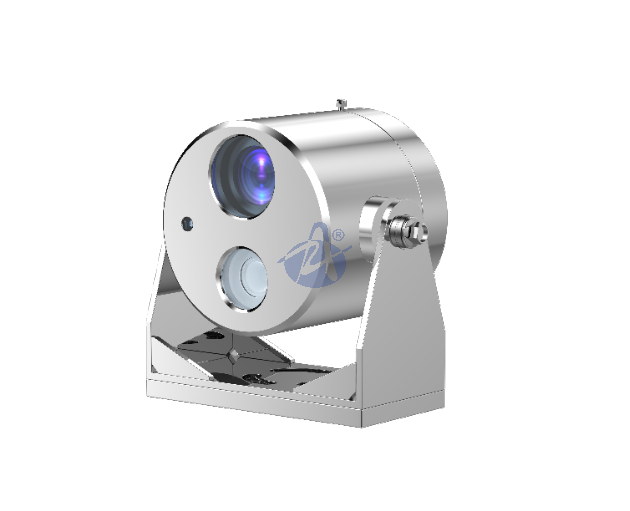
Fixed mount explosion-proof thermal cameras provide permanent monitoring solutions for critical equipment and process areas. These systems offer continuous surveillance with robust mounting hardware designed for industrial environments.
Fixed Mount Features:
Permanent installation with explosion-proof camera housing
Continuous monitoring of critical equipment and processes
Multiple viewing angles through adjustable mounting brackets
Integrated communication systems for data transmission
Fixed mount systems excel in applications requiring consistent monitoring positions, such as furnace monitoring, electrical switchgear surveillance, and storage tank thermal profiling.
Portable Thermal Cameras
Portable explosion-proof thermal cameras enable inspection and troubleshooting activities in hazardous locations. These handheld devices provide flexibility for maintenance teams conducting thermal surveys.
Portable System Benefits:
Mobility for comprehensive facility surveys
Battery operation for cordless convenience
Rugged construction withstanding industrial conditions
Easy operation with intuitive user interfaces
A comparison table helps evaluate fixed versus portable thermal camera options:
Feature | Fixed Mount Systems | Portable Systems | Feature |
Monitoring Coverage | Continuous, specific areas | Comprehensive, facility-wide | Monitoring Coverage |
Installation | Permanent, professional | Temporary, user-operated | Installation |
Power Requirements | AC power, backup systems | Battery, rechargeable | Power Requirements |
Specialized Applications
Some explosion-proof thermal cameras feature specialized capabilities for unique industrial applications:
Specialized Features:
High-temperature monitoring for furnaces and kilns exceeding 1500°C
Multispectral imaging combining thermal and visible light detection
Zoom capabilities for detailed inspection of distant equipment
Thermal measurement with certified calibration for process control
These specialized systems address specific industry requirements while maintaining explosion-proof safety standards.
Selection and Installation Guide
System Selection Criteria
Choosing the right explosion-proof thermal camera requires careful evaluation of application requirements, environmental conditions, and safety standards. Consider these factors during selection:
Application Requirements:
Monitoring objectives determine the required thermal sensitivity and measurement accuracy
Coverage area defines camera positioning and lens selection
Temperature range establishes sensor specifications
Environmental conditions influence housing material and sealing requirements
Safety Classifications:
Hazardous area class determines explosion-proof requirements
Temperature rating ensures safe operation in ambient conditions
Certification standards verify compliance with local safety codes
Installation locations affect mounting and communication requirements
Performance Specifications:
Thermal sensitivity enables the detection of small temperature differences
Measurement accuracy ensures reliable temperature data
Image quality supports effective thermal analysis
Response time enables rapid detection of thermal events
Installation Requirements
Proper installation ensures optimal performance and safety compliance for explosion-proof thermal cameras. Follow these guidelines:
Pre-Installation Planning:
Site survey evaluates mounting locations and environmental conditions
Safety assessment confirms hazardous area classifications
Power planning determines electrical supply requirements
Communication design establishes data transmission methods
Installation Process:
Mounting hardware provides a secure, vibration-resistant installation
Electrical connections maintain explosion-proof integrity
Sealing verification ensures environmental protection
System commissioning validates performance and safety compliance
Tip: Professional installation teams ensure compliance with safety standards and optimize system performance for specific applications.
Maintenance and Calibration
Regular maintenance preserves system performance and extends equipment life in challenging industrial environments:
Maintenance Schedule:
Daily checks verify system operation and alarm functions
Weekly cleaning removes dust and contaminants from the housing
Monthly calibration ensures measurement accuracy
Annual inspection confirms safety compliance and hardware condition
Calibration Requirements:
Temperature accuracy verification using certified reference sources
Thermal uniformity testing across the detector array
Environmental compensation adjustment for ambient conditions
Documentation maintaining calibration records for quality systems
Professional maintenance services provide expertise in explosion-proof equipment and ensure compliance with safety standards.
Conclusion
Explosion-proof thermal cameras represent essential safety and monitoring equipment for hazardous industrial environments. These specialized devices combine advanced thermal imaging technology with robust explosion-proof camera housing to provide reliable temperature monitoring where conventional cameras cannot operate safely.
Understanding thermal camera principles, selection criteria, and installation requirements enables the successful implementation of thermal monitoring systems. From fixed mount surveillance to portable inspection tools, these cameras enhance safety, support predictive maintenance, and optimize industrial processes.
When selecting explosion-proof thermal cameras for your facility, consider working with experienced explosion-proof thermal camera manufacturer ZUOAN, which can provide expert guidance on system selection, installation, and ongoing support. Their expertise ensures optimal performance and safety compliance for your specific application requirements.
FAQ
What is the main difference between explosion-proof and regular thermal cameras?
Explosion-proof thermal cameras feature specialized explosion-proof camera housing that prevents ignition sources from escaping the enclosure, making them safe for use in hazardous locations with explosive atmospheres.
How do you maintain explosion proof thermal cameras?
Regular maintenance includes cleaning the housing, calibrating temperature accuracy, inspecting seals and connections, and verifying safety compliance. Professional maintenance ensures optimal performance and safety.
What thermal sensitivity is needed for industrial monitoring?
Most industrial applications require thermal sensitivity of 0.1°C or better to detect equipment anomalies and process variations. Critical applications may need 0.05°C sensitivity for early fault detection.
Can explosion-proof thermal cameras work in outdoor environments?
Yes, these cameras are designed for harsh industrial environments and can operate outdoors with proper environmental ratings for temperature, humidity, and weather protection.
What are the two types of servo motors?
The two main types of servo motors are AC servo motors and DC servo motors. AC servo motors use alternating current and provide high precision with excellent speed control, while DC servo motors use direct current and offer simple control with good torque characteristics at lower speeds.