


What Is an Explosion Proof Surveillance Camera and Why Your Facility Might Need One?
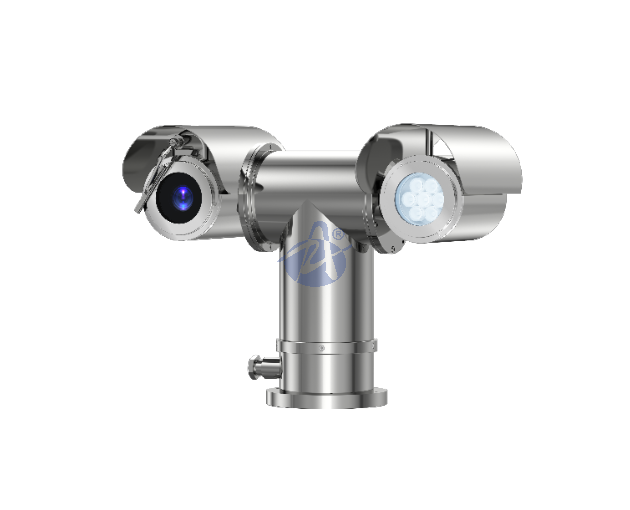
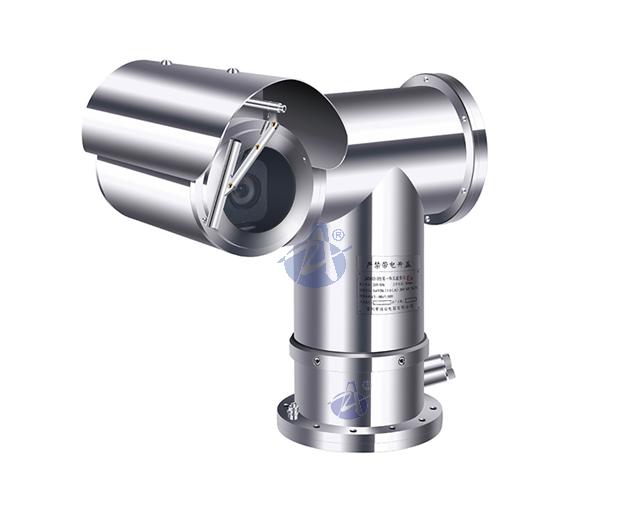
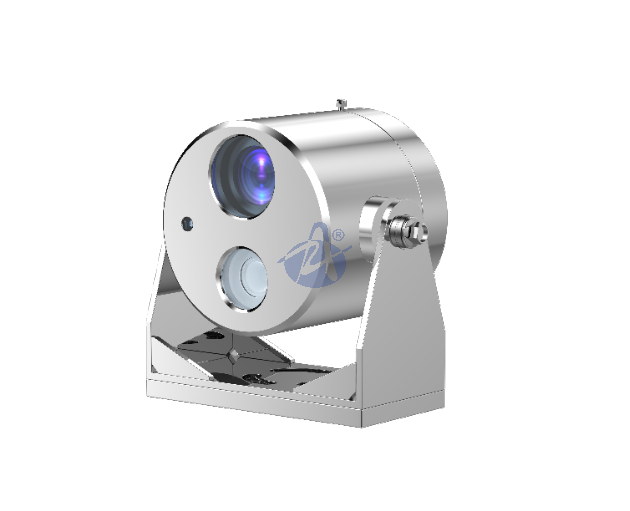
An explosion proof surveillance camera is a specialized security device designed to operate safely in hazardous environments where flammable gases, vapors, or combustible dust create explosion risks. These cameras feature reinforced enclosures and intrinsically safe components that prevent internal electrical sparks from igniting external explosive atmospheres.
I• ndustrial facilities face significant safety challenges, with explosion-related incidents causing over $2.3 billion in property damage annually according to recent safety reports. However, facilities implementing proper explosion proof surveillance systems experience 73% fewer security breaches in hazardous areas and maintain continuous monitoring capabilities even during emergency situations.
Understanding what makes a camera explosion-proof and determining whether your facility needs one is crucial for maintaining safety, regulatory compliance, and operational security in high-risk industrial environments.
Key Takeaways
• Explosion proof surveillance cameras contain internal sparks and flames, preventing ignition of external flammable atmospheres in hazardous industrial environments.
• Specialized enclosures meet strict ATEX, IECEx, and UL certifications, ensuring safe operation in classified hazardous locations with specific gas group ratings.
• Essential safety features include intrinsically safe circuits, flame-resistant housings, temperature control, and environmental sealing for reliable hazardous area operation.
• Facilities need these cameras when handling flammable materials, operating in classified hazardous zones, or requiring regulatory compliance for insurance and safety standards.
• Professional assessment and installation ensure proper equipment selection, certification maintenance, and optimal safety performance in critical applications.
What Is an Explosion Proof Surveillance Camera?

Definition and Core Purpose
An explosion proof surveillance camera is a security monitoring device engineered to prevent internal electrical components from becoming ignition sources in explosive atmospheres. Unlike standard cameras, these specialized units assume that flammable gases or dust may enter the housing but ensure any internal spark or flame cannot escape to ignite the external environment.
The fundamental principle involves containment rather than exclusion. The camera's explosion-proof design allows for controlled internal combustion while preventing flame propagation to the surrounding hazardous atmosphere through precisely engineered flame paths and pressure-resistant construction.
Essential Components That Make Cameras Explosion Proof
Explosion proof cameras incorporate several critical safety elements:
Flameproof Enclosures:
• Reinforced metal housings that withstand internal explosion pressures
• Precisely machined flame paths that cool escaping gases below ignition temperature
• Certified joints and seals maintaining containment under extreme conditions
• Impact-resistant materials preventing physical damage that could compromise safety
Intrinsically Safe Electrical Systems:
• Limited electrical energy circuits that cannot generate sufficient heat for ignition
• Protective barriers preventing electrical surges or short circuits
• Temperature-controlled components operating below auto-ignition thresholds
• Isolated power supplies eliminating spark-generating electrical faults
Environmental Protection Features:
• IP66/IP67 rated sealing against dust and moisture infiltration
• Corrosion-resistant materials for harsh chemical environments
• Wide operating temperature ranges from -40°C to +70°C
• Vibration and shock resistance meeting industrial durability standards
How Explosion Proof Technology Works
The technology operates on multiple protection principles working simultaneously:
Containment Method: Internal explosions are contained within the housing, with flame paths designed to cool any escaping gases below the ignition temperature of the external atmosphere.
Energy Limitation: Intrinsically safe circuits limit electrical energy to levels incapable of igniting specific gas mixtures, even under fault conditions.
Environmental Isolation: Multiple sealing systems prevent hazardous gases from reaching internal ignition sources while maintaining the integrity of protective barriers.
Recent industry analysis shows that properly specified explosion proof surveillance cameras achieve 99.8% operational reliability in hazardous environments while maintaining safety compliance over extended operational periods.
Why Your Facility Might Need Explosion Proof Cameras
Hazardous Environment Indicators
Your facility likely needs explosion proof surveillance cameras if it operates in environments with:
Flammable Gas Presence:
• Hydrocarbon processing areas with natural gas, propane, or gasoline vapors
• Chemical manufacturing zones handling volatile organic compounds
• Fuel storage and dispensing areas with continuous vapor exposure
• Laboratory spaces using flammable solvents and reagents
Combustible Dust Conditions:
• Grain processing facilities with airborne organic dust
• Metalworking operations producing combustible metal particles
• Pharmaceutical manufacturing areas with powder handling
• Wood processing plants with fine sawdust accumulation
Classified Hazardous Locations:According to OSHA hazardous location standards, facilities must use certified explosion-proof equipment in specific classifications:
| Classification System | Hazard Type | Division/Zone | Description | Typical Applications |
Class I, Division 1 | Gases/Vapors | Continuous | Hazardous atmosphere present during normal operations | Petroleum refineries, chemical reactors |
Class I, Division 2 | Gases/Vapors | Intermittent | Hazardous atmosphere unlikely during normal operations | Fuel dispensing areas, paint storage |
Class II, Division 1 | Combustible Dust | Continuous | Combustible dust in suspension during normal operations | Grain elevators, coal processing |
Class II, Division 2 | Combustible Dust | Intermittent | Dust accumulation with potential suspension | Metal powder handling, pharmaceutical mixing |
Regulatory and Compliance Requirements
OSHA Compliance Needs:
• Facilities must use certified explosion-proof equipment in classified hazardous locations per OSHA electrical safety standards
• Workplace safety standards mandate proper electrical equipment in explosive atmospheres
• Regular safety inspections require documentation of certified equipment installations
• Non-compliance penalties can reach $154,000 per violation for willful safety violations
National Electrical Code Requirements:The NFPA 70 National Electrical Code establishes specific requirements for electrical equipment in hazardous locations, including surveillance cameras. These standards define gas groups, temperature ratings, and installation methods for safe operation in explosive atmospheres.
Insurance and Risk Management:
• Property insurers often require explosion-proof equipment for coverage in hazardous areas
• Workers' compensation rates decrease with proper safety equipment implementation
• Risk assessments identify surveillance gaps in hazardous zones requiring specialized equipment
• Liability protection demands documented safety compliance in high-risk operations
Operational Security Benefits
Continuous Monitoring Capabilities:
• Uninterrupted surveillance in previously inaccessible dangerous areas
• Remote monitoring eliminates personnel exposure to hazardous conditions
• 24/7 security coverage during maintenance shutdowns and emergency situations
• Integration with existing security systems without compromising safety standards
Incident Prevention and Response:
• Early detection of unsafe conditions before they escalate to emergencies
• Visual verification of alarm conditions in hazardous process areas
• Documentation of incidents for regulatory reporting and investigation purposes
• Enhanced emergency response coordination with real-time visual information
Industry-Specific Applications
Oil and Gas Operations:Refineries, offshore platforms, pipeline facilities, and LNG terminals require explosion proof cameras for perimeter security, process monitoring, and loading operation oversight in continuously hazardous environments.
Chemical and Petrochemical Plants:Manufacturing facilities handling volatile chemicals need specialized surveillance for reactor monitoring, storage area security, and emergency response support in classified hazardous zones.
Food and Agricultural Processing:Grain elevators, flour mills, sugar processing plants, and alcohol production facilities require explosion-proof monitoring due to combustible organic dust and vapor hazards.
Pharmaceutical Manufacturing:Facilities handling flammable solvents, producing powder medications, or operating in clean room environments with explosion risks need certified surveillance equipment.
Selection Criteria for Your Facility
Environmental Assessment Requirements
Hazard Classification Analysis:
• Determine specific zone or division classifications for installation areas
• Identify gas groups (IIA, IIB, IIC) or dust types requiring specific protection levels
• Assess temperature classifications (T1-T6) based on auto-ignition temperatures
• Evaluate environmental conditions including humidity, corrosion, and vibration exposure
Performance Specifications:
• Coverage area requirements determining lens and positioning needs
• Image quality specifications for security effectiveness and forensic value
• Low-light performance for industrial environments with limited illumination
• Integration capabilities with existing security management systems
Certification and Standards Compliance
Required Certifications:
• ATEX certification for European installations and international acceptance
• IECEx approval for global compliance and multi-national facility standards
• UL listing for North American installations in Class I and II locations
• FM approval for factory mutual insurance and risk management requirements
Installation and Maintenance Considerations:
• Certified technician requirements for safe installation and commissioning
• Ongoing inspection schedules to maintain safety certifications
• Spare parts availability and technical support for critical security infrastructure
• Training needs for facility personnel on safe operation and basic maintenance
Cost-Benefit Analysis
Initial Investment Factors:
• Higher equipment costs compared to standard surveillance cameras
• Specialized installation requirements and certified technician labor
• Additional infrastructure needs for intrinsically safe power and communication systems
• Certification and approval processes for regulatory compliance
Long-term Value Benefits:
• Insurance premium reductions averaging 15-25% for properly protected facilities
• Avoided costs from explosion incidents, equipment damage, and business interruption
• Regulatory compliance protection preventing costly violations and shutdowns
• Enhanced operational efficiency through continuous hazardous area monitoring
Professional Implementation and Support
Expert Assessment and Design
Determining whether your facility needs explosion proof surveillance cameras requires professional evaluation of hazardous area classifications, regulatory requirements, and operational security needs. Qualified safety engineers assess environmental conditions, review applicable standards, and design systems meeting specific certification requirements.
System Design Considerations:
• Hazardous area mapping and camera placement optimization
• Integration with existing security and process control systems
• Emergency response procedures and monitoring protocols
• Future expansion planning for operational changes and facility growth
Installation and Commissioning
Explosion proof camera installation demands specialized expertise and strict safety protocols. Certified technicians ensure proper grounding, seal verification, and documentation maintenance while preserving manufacturer certifications and regulatory compliance.
Quality Assurance Requirements:
• Installation documentation and certification records
• Performance testing and system commissioning verification
• Training programs for facility personnel and security operators
• Ongoing support agreements for maintenance and technical assistance
When selecting an explosion proof camera manufacturer, facilities should prioritize companies with extensive hazardous area expertise, comprehensive certification portfolios, and proven track records in critical safety applications. ZAEX provides complete explosion protection solutions with certified engineering support, ensuring optimal equipment selection and professional implementation for the most demanding industrial security requirements.
FAQ
What makes a surveillance camera "explosion proof"?
An explosion proof surveillance camera features specialized enclosures that contain internal explosions and prevent flame propagation to external explosive atmospheres. Key elements include flameproof housings, intrinsically safe circuits, certified sealing systems, and temperature-controlled components that operate safely in hazardous environments.
How do I know if my facility needs explosion proof cameras?
Your facility needs explosion proof cameras if it handles flammable gases, vapors, or combustible dust in classified hazardous locations. This includes oil and gas facilities, chemical plants, grain processing operations, pharmaceutical manufacturing, and any area designated as Class I or II hazardous locations under safety regulations.
What certifications should explosion proof cameras have?
Look for ATEX, IECEx, UL, FM, or CSA certifications appropriate for your location and hazardous area classification. These certifications ensure the explosion proof surveillance camera meets safety standards for specific gas groups, temperature ratings, and installation environments.
Can explosion proof cameras provide the same video quality as regular cameras?
Yes, modern explosion proof cameras deliver high-resolution imaging, low-light performance, and advanced features while maintaining safety certifications. The protective enclosures are designed to minimize optical interference while providing full explosion protection.
What are the ongoing maintenance requirements for explosion proof cameras?
Explosion proof surveillance cameras require annual safety inspections, seal integrity verification, electrical testing, and performance assessments by certified technicians. Proper maintenance preserves safety certifications and ensures reliable operation in hazardous environments.
Are explosion proof cameras worth the higher initial cost?
The investment in explosion proof cameras provides essential safety protection, regulatory compliance, and often reduces insurance costs by 15-25%. The cost of avoiding a single explosion incident typically justifies the entire system investment while providing continuous security benefits.