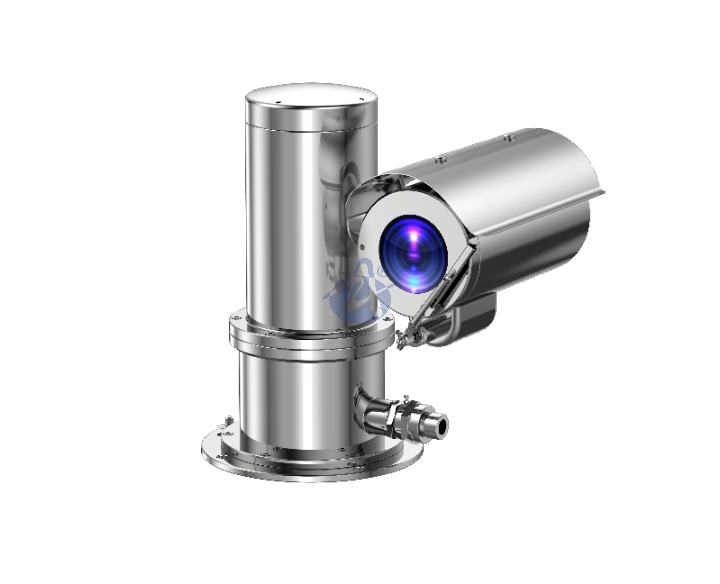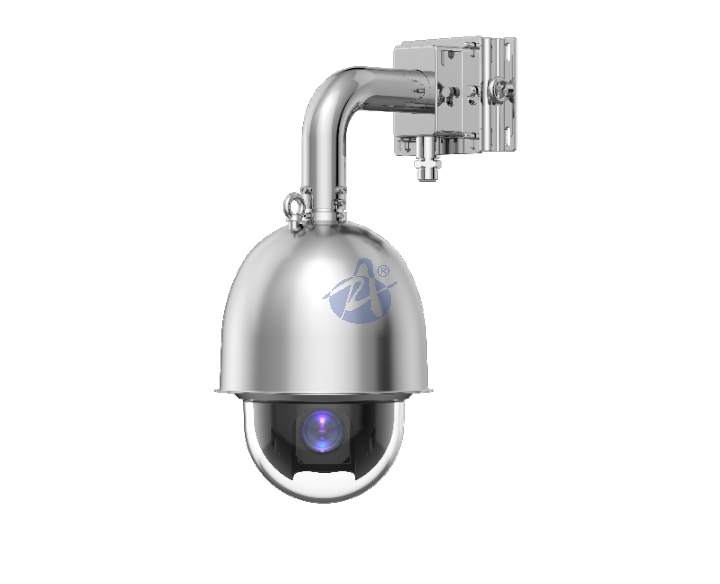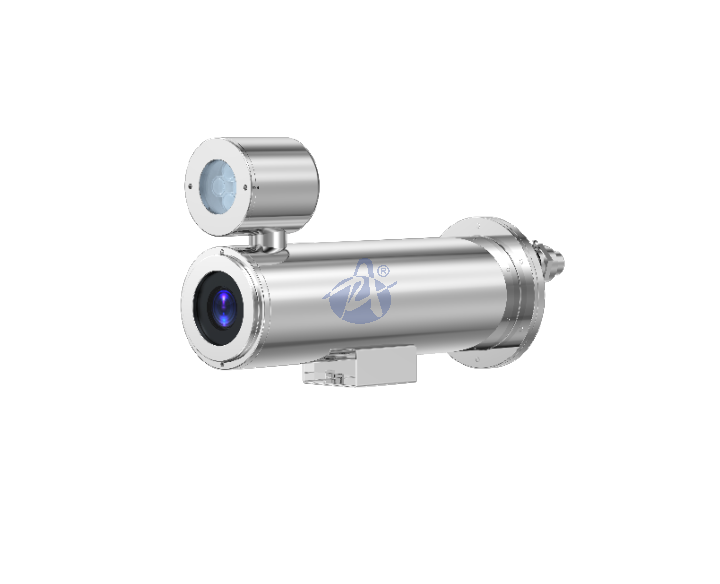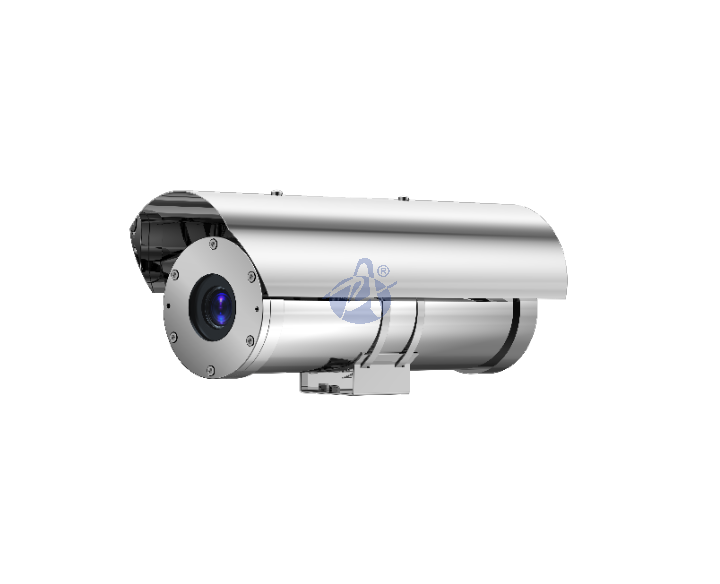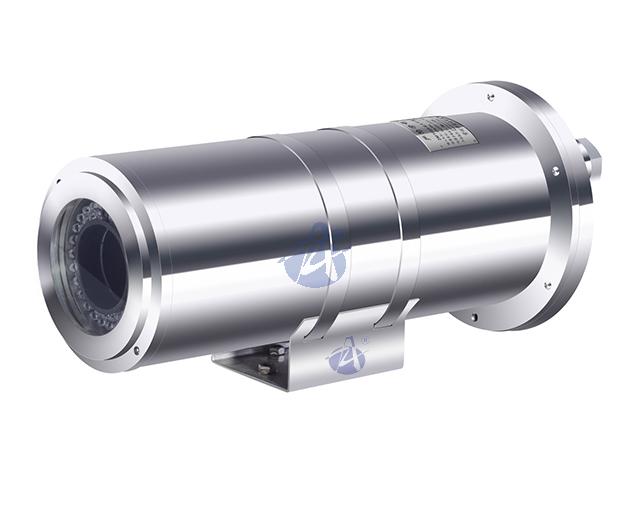



In industries where flammable gases, vapors, or combustible dusts create a constant risk of explosion, standard surveillance equipment is not just inadequate — it can be the ignition source that triggers a catastrophic incident. An ATEX camera is a specialized CCTV system designed, tested, and certified specifically for installation in hazardous areas where explosive atmospheres may be present. These explosion-proof cameras meet the stringent requirements of the European ATEX Directive and, in many cases, the international IECEx certification scheme, ensuring they can operate safely without introducing any ignition risk to the surrounding environment.
Key Takeaways
ATEX cameras are explosion-proof surveillance systems certified under the ATEX Directive 2014/34/EU for safe operation in potentially explosive atmospheres.
The term "ATEX" derives from the French "Atmosph ères Explosibles" and applies to equipment certified for use in hazardous zones throughout the European Union and beyond.
ATEX CCTV cameras are designed to prevent any spark, surface heat, or electrical discharge that could ignite flammable gases, vapors, or dust in Zone 1, Zone 2, Zone 21, or Zone 22 classified areas.
These cameras typically feature stainless steel enclosures with IP68 protection ratings, explosion-proof housing construction, and internal pressurization or encapsulation to eliminate ignition sources.
Common applications include oil refineries, petrochemical plants, offshore platforms, coal mines, flour mills, paint booths, and any facility handling flammable materials.
ATEX cameras differ from standard industrial cameras in construction, testing protocols, certification requirements, and operational temperature limits.
Both ATEX and IECEx certification may be required depending on the region and regulatory framework governing the installation site.
1. Understanding the ATEX Directive
The ATEX Directive 2014/34/EU is the European regulatory framework that governs equipment and protective systems intended for use in potentially explosive atmospheres. Adopted by the European Parliament and Council in February 2014, the directive came into full effect on April 20, 2016, replacing the earlier Directive 94/9/EC. The objective is to harmonize safety standards across all EU member states, ensuring that equipment meeting these requirements can circulate freely across borders while providing consistent protection against explosion hazards.
Equipment certified under this framework must satisfy essential health and safety requirements outlined in the directive. These requirements address design principles such as ignition source elimination, temperature control, mechanical strength, and electrostatic discharge prevention. For cameras specifically, this means every component — from the lens assembly to the power supply circuit — must be designed and tested to ensure it cannot become an ignition source under any foreseeable fault condition or operational scenario.

2. What Makes an ATEX Camera Different from a Standard CCTV Camera?
An ATEX CCTV camera is fundamentally different from a commercial or industrial camera in several critical ways. The differences extend beyond simple ruggedization and involve comprehensive engineering solutions designed to eliminate ignition risks entirely.
Explosion-Proof Enclosure Design
The housing of a certified explosion-proof camera is constructed from materials that can withstand the internal pressure of an explosion should one occur inside the enclosure. Typically manufactured from marine-grade 316L stainless steel, these housings are designed with flamepath joints — precisely machined surfaces that allow combustion gases to cool below the ignition temperature of the external atmosphere as they escape. The enclosure is sealed to IP68 standards, meaning it is dust-tight and can withstand immersion in water, preventing any ingress of flammable gases or dust into the internal electronics.
Surface Temperature Limitation
One of the most critical parameters for explosion-proof surveillance equipment is its maximum surface temperature. Even without electrical sparking, a hot surface can ignite certain flammable gases. Certified cameras are assigned a temperature class — commonly T4, T5, or T6 — which defines the maximum surface temperature the equipment can reach under normal operation and fault conditions. A T4 classification, for example, permits a maximum surface temperature of 135 degrees Celsius, making the camera safe for use in environments where the ignition temperature of the surrounding gases exceeds this threshold.
Internal Component Protection
Inside a certified explosion-proof CCTV system, all electronic components that could potentially produce a spark or arc are either encapsulated in resin, housed in separate flameproof compartments, or operated under intrinsic safety principles where the energy levels are too low to cause ignition. Power supply circuits, infrared illuminators, and motorized lens assemblies all receive specialized treatment to ensure compliance with explosion protection standards.
3. ATEX Zone Classifications: Where Can These Cameras Be Used?
Hazardous areas are classified into zones based on the frequency and duration for which an explosive atmosphere is expected to be present. The IEC 60079-10-1 standard defines the zone classification methodology for gas and vapor hazards, while IEC 60079-10-2 covers combustible dust environments.
| Zone Classification | Definition | Frequency of Explosive Atmosphere | Typical Locations |
|---|---|---|---|
| Zone 0 | Explosive gas atmosphere present continuously or for long periods | More than 1,000 hours per year (above 10% of time) | Interior of storage tanks, process vessels |
| Zone 1 | Explosive gas atmosphere likely to occur occasionally under normal operation | 10–1,000 hours per year (0.1%–10% of time) | Areas surrounding filling points, pump seals, valve glands |
| Zone 2 | Explosive gas atmosphere not likely to occur in normal operation; if it does, will exist only briefly | Less than 10 hours per year (below 0.1% of time) | Perimeter areas around Zone 1, storage areas with sealed containers |
| Zone 20 | Explosive dust atmosphere present continuously or for long periods | More than 1,000 hours per year | Interior of silos, dust collectors, milling equipment |
| Zone 21 | Explosive dust atmosphere likely to occur occasionally under normal operation | 10–1,000 hours per year | Areas surrounding dust handling equipment, filling stations |
| Zone 22 | Explosive dust atmosphere not likely to occur; if it does, will persist briefly | Less than 10 hours per year | Storage areas, processing plant perimeter zones |
Explosion-proof cameras are typically certified for Zone 1, Zone 2, Zone 21, and Zone 22 installations. Zone 0 and Zone 20 applications — where explosive atmospheres are continuous — rarely accommodate cameras due to the extreme risk level and the impracticality of visual surveillance in areas where human access is severely restricted.
4. ATEX vs. IECEx: Understanding the Two Certification Systems
While ATEX is the certification framework for the European market, the IECEx system serves as the international equivalent. Established by the International Electrotechnical Commission, the IECEx scheme provides a globally recognized certification for equipment used in explosive atmospheres. Both systems are based on the same technical standards — the IEC 60079 series — but they serve different regulatory purposes.
| Feature | ATEX Certification | IECEx Certification |
|---|---|---|
| Regulatory Scope | European Union mandatory requirement | International voluntary system |
| Geographic Coverage | EU and EEA member states | Over 35 countries including Australia, India, Singapore, South Africa |
| Technical Foundation | IEC 60079 series standards | IEC 60079 series standards |
| Certification Bodies | EU Notified Bodies | IECEx Certification Bodies (ExCBs) |
| Market Requirement | Legal mandate for EU sales | Accepted as proof of compliance in participating countries |
| Certificate Database | EU centralized CE marking database | IECEx Online Certificate System (OCS) |
Many certified explosion-proof camera manufacturers pursue dual certification — obtaining both ATEX and IECEx approvals — to access the widest possible market. For projects in regions like the Middle East, Asia-Pacific, or Africa where IECEx is increasingly recognized, dual-certified equipment simplifies procurement and ensures compliance with local regulations.
5. Key Technical Specifications of an ATEX Camera
When evaluating an ATEX CCTV camera, several technical parameters define its suitability for a particular hazardous area application. These specifications are determined during the certification process and are marked on the camera's nameplate.
Equipment Group and Category
Certified explosion-proof equipment is classified into groups based on the intended installation environment. Group I designates mining equipment for coal mines with methane or dust hazards. Group II covers surface industries — oil and gas, chemical plants, refineries — and is further subdivided by gas group (IIA, IIB, IIC) based on the ignitability of the gas. Group IIC represents the most hazardous gases such as hydrogen and acetylene, requiring the highest level of protection.
Equipment categories — 1, 2, or 3 — indicate the level of protection. Category 1 equipment offers the highest protection level and is suitable for Zone 0 or Zone 20 areas. Category 2 is designed for Zone 1 or Zone 21, and Category 3 for Zone 2 or Zone 22. Most certified surveillance cameras carry a Category 2 or Category 3 designation, with the specific marking appearing as "II 2G" for gas environments or "II 2D" for dust environments.
Protection Methods
The method by which an ATEX camera achieves explosion protection is indicated by a code on the certification label. Common protection methods include:
Ex d — Flameproof enclosure: The housing can contain an internal explosion and prevent ignition of external atmosphere.
Ex e — Increased safety: Enhanced construction to prevent sparks and high temperatures.
Ex ia or Ex ib — Intrinsic safety: Energy levels kept below the minimum required for ignition.
Ex px or Ex py — Pressurization: Internal enclosure pressure maintained above external atmosphere to prevent flammable gas ingress.
Ex m — Encapsulation: Components potted in resin to prevent ignition.
A typical hazardous area camera marking might read: II 2G Ex d IIC T4 Gb, indicating Group II equipment, Category 2, with flameproof enclosure protection suitable for gas Group IIC atmospheres, temperature class T4, and equipment protection level Gb (suitable for Zone 1).
Ingress Protection Rating
All explosion-proof CCTV cameras carry an IP (Ingress Protection) rating. The most common rating for hazardous area cameras is IP68, which signifies complete dust-tightness and protection against continuous immersion in water. This level of sealing is essential not only for environmental protection but also to prevent flammable gas or vapor from entering the enclosure and creating an internal explosive atmosphere.
Operating Temperature Range
Explosion-proof cameras installed in outdoor or extreme environments must function reliably across a wide temperature range. Industrial-grade certified units typically operate from -40 degrees Celsius to +60 degrees Celsius. Some models incorporate internal heating elements or cooling systems to maintain safe operating temperatures while ensuring the external surface temperature remains within the certified T-class limit.
6. Common Applications of ATEX Cameras
Certified explosion-proof cameras are deployed across a diverse range of industrial environments where traditional surveillance equipment would pose an unacceptable ignition risk. The following sectors represent the primary application areas.
Oil and Gas
Refineries, petrochemical complexes, LNG terminals, and offshore drilling platforms all require continuous surveillance in areas classified as Zone 1 or Zone 2 due to hydrocarbon vapor presence. Explosion-proof cameras monitor process areas, loading docks, storage tanks, and perimeter security.
Mining Operations
Coal mines with methane gas hazards require Group I certified cameras. These units monitor underground excavation faces, conveyor systems, ventilation shafts, and equipment maintenance areas to ensure worker safety and operational oversight.
Chemical Manufacturing
Plants handling volatile organic compounds, solvents, or reactive chemicals deploy certified CCTV cameras to observe reactor vessels, distillation columns, blending areas, and storage zones where explosive atmospheres may develop during normal operations.
Pharmaceutical Production
Solvent-based pharmaceutical processes and powder handling operations create Zone 2 and Zone 22 classified areas. Hazardous area cameras provide quality assurance monitoring, batch process verification, and contamination control in these sensitive environments.
Food Processing
Flour mills, sugar refineries, and grain handling facilities generate combustible dust that creates Zone 21 and Zone 22 classified areas. Explosion-proof cameras monitor milling equipment, dust extraction systems, and storage silos to prevent dust explosions.
Paint and Coating Facilities
Spray booths and solvent storage areas in automotive painting facilities, wood finishing plants, and industrial coating operations require Zone 1 or Zone 2 rated certified cameras to monitor application processes and detect anomalies before they escalate.
7. Design Features That Define an ATEX Camera
The engineering that goes into a certified explosion-proof camera extends far beyond a robust enclosure. Several specialized design features work in concert to ensure safe operation in hazardous zones.
Stainless Steel Construction
Most certified explosion-proof cameras use 316L marine-grade stainless steel for the housing. This alloy offers superior corrosion resistance — critical in offshore and chemical environments — while providing the structural strength to contain internal explosions. The enclosure walls are significantly thicker than standard industrial cameras, typically 6 mm to 10 mm depending on the size and certification level.
Flameproof Cable Entries
All cable entries into a hazardous area camera housing use certified flameproof glands that prevent flame propagation along the cable path. These glands incorporate compound sealing, threaded compression, and earthing connections to maintain the explosion-proof integrity of the enclosure even when cables are routed through it.
Integrated Heating and Cooling Systems
To maintain operational functionality in extreme environments while staying within the certified temperature class, explosion-proof cameras may include thermostatically controlled heaters for cold climates or heat exchangers for high-temperature locations. These thermal management systems are themselves certified as part of the overall assembly.
Explosion-Proof Pan-Tilt Mechanisms
For applications requiring directional control, certified PTZ (pan-tilt-zoom) cameras incorporate explosion-proof motor housings and sealed gear assemblies. The mechanical movement systems are designed to prevent any internal sparking or frictional heating that could exceed safe limits.
Infrared Illumination
Night vision capability in hazardous area cameras is achieved through integrated infrared LED arrays that are individually encapsulated or housed within separate flameproof compartments. The thermal output of these LEDs is carefully managed to ensure the external surface temperature remains within the T-class specification.
8. Installation and Maintenance Considerations
Installing an explosion-proof CCTV camera requires adherence to strict installation codes and practices. The installer must ensure that the installation method does not compromise the certification. All electrical connections must be made in accordance with the relevant national electrical codes for hazardous areas — typically IEC 60079-14 for electrical installations in explosive atmospheres.
Cable glands must be tightened to the manufacturer's specified torque values, and all earth bonding connections must be verified for continuity. The camera's mounting bracket must provide adequate mechanical support while allowing for thermal expansion and contraction without stressing the cable entries.
Routine maintenance of certified explosion-proof cameras typically includes visual inspection for corrosion, verification of cable gland integrity, cleaning of the viewing window or dome, and confirmation that all certification labels and markings remain legible. Any repairs or modifications must be performed in accordance with IEC 60079-19, which governs the repair, overhaul, and reclamation of explosion-protected equipment. Unauthorized modifications can void the certification and create a significant safety hazard.
9. Selecting the Right ATEX Camera for Your Application
Choosing an appropriate certified explosion-proof camera involves matching the camera's certification parameters to the classified zone, gas group, and temperature class of the installation location. The process begins with a hazardous area classification study — conducted in accordance with IEC 60079-10-1 or IEC 60079-10-2 — which identifies the zones present at the site and the characteristics of the flammable materials.
| Selection Factor | Key Considerations |
|---|---|
| Zone Classification | Camera category must match or exceed the zone rating. Category 2 equipment is suitable for Zone 1/21; Category 3 for Zone 2/22. |
| Gas/Dust Group | For gas: IIC rating covers IIB and IIA. For dust: IIIC covers IIIB and IIIA. Select the appropriate group based on site hazard assessment. |
| Temperature Class | Camera T-class must be below the ignition temperature of the flammable substance. T6 (85°C max) is the safest; T4 (135°C) is common for general use. |
| Environmental Protection | IP68 is standard; verify suitability for corrosive atmospheres if chemical exposure is expected. |
| Image Resolution | 2MP (1080p) is typical; 4MP or higher available for critical monitoring applications requiring detailed imaging. |
| Optical Zoom Capability | Fixed lens for static monitoring; 20x–30x optical zoom for large-area coverage or remote inspection needs. |
| Infrared Range | IR illumination effective range typically 50–100 m; higher power systems available for perimeter surveillance. |
| Power Supply | 24V DC or PoE (Power over Ethernet) with explosion-proof power supply unit located outside hazardous zone. |
10. Cost Factors and Procurement Considerations
Certified explosion-proof cameras command a significant premium over standard industrial CCTV equipment due to the specialized engineering, materials, testing, and certification involved. A typical fixed explosion-proof camera with basic 2MP resolution starts around 2,000–3,500 USD, while high-specification PTZ models with 30x zoom, infrared illumination, and dual ATEX/IECEx certification can exceed 15,000 USD per unit.
Beyond the camera hardware, buyers should budget for certified explosion-proof accessories including mounting brackets, power supply units, junction boxes, and cabling. The installation labor cost is also higher than standard CCTV installations due to the requirement for certified electricians or technicians trained in hazardous area installations.
When procuring certified explosion-proof cameras, it is essential to verify that the equipment carries authentic certification from a recognized Notified Body for ATEX or an approved Certification Body for IECEx. The certification number should be traceable through the relevant online databases to confirm validity.
Looking for Certified ATEX Camera Solutions?
With over 70 explosion-proof certifications and dual certification approvals, ZAEX specializes in manufacturing industrial-grade explosion-proof CCTV systems for Zone 1, Zone 2, Zone 21, and Zone 22 applications. As one of China's pioneering manufacturers of certified hazardous area surveillance equipment, ZAEX delivers 316L stainless steel construction, IP68 protection, and comprehensive technical support for petrochemical, mining, and offshore installations worldwide.
Contact ZAEX for Certified SolutionsSummary
An ATEX camera is a specialized explosion-proof surveillance system engineered to operate safely in environments where flammable gases, vapors, or combustible dusts create the risk of explosive atmospheres. Certified under the European Directive 2014/34/EU and often carrying parallel IECEx certification for international markets, these cameras incorporate explosion-proof enclosures, surface temperature controls, sealed construction, and certified protection methods to eliminate any possibility of becoming an ignition source.
Explosion-proof CCTV cameras are essential safety equipment in oil refineries, chemical plants, offshore platforms, coal mines, and any facility where hazardous area classification requires explosion-protected electrical equipment. Selecting the correct model involves matching the equipment's group, category, temperature class, and protection method to the specific zone classification and hazardous substance characteristics identified in the site's area classification study.
While the initial cost of certified explosion-proof cameras is significantly higher than standard industrial CCTV equipment, the investment is justified — and often legally mandated — by the critical safety role these systems play in preventing ignition incidents in explosive atmosphere environments.