


Why Explosion-Proof PTZ Cameras Are Essential for Oil, Gas, and Chemical Plants: Critical Safety Infrastructure
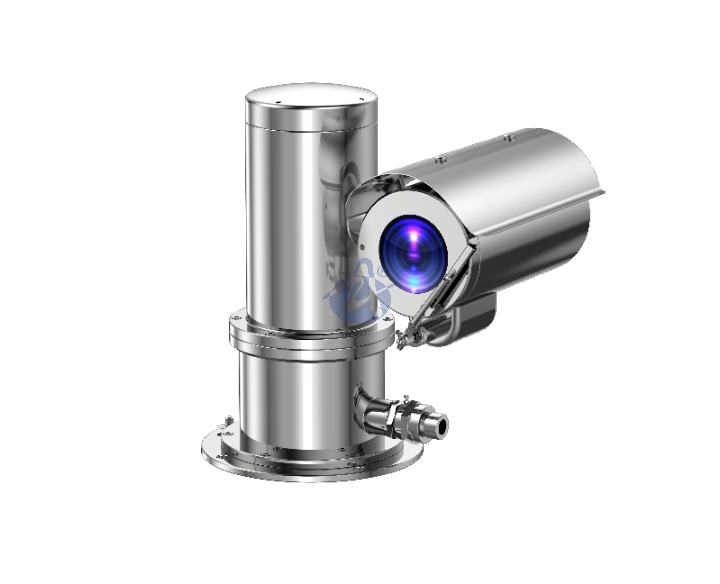
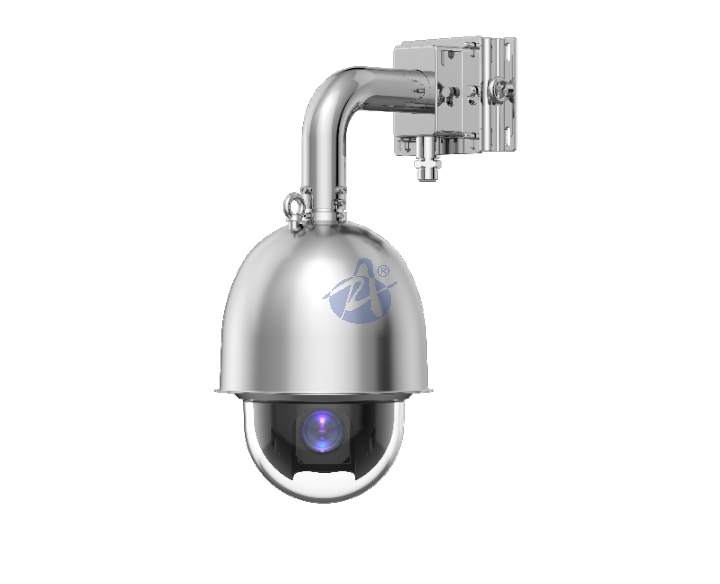
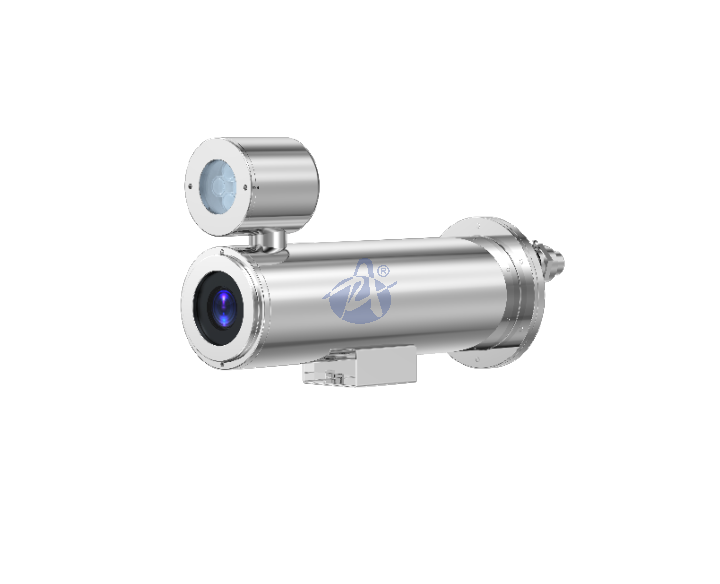
 Explosion-proof PTZ cameras represent essential safety equipment specifically engineered for oil refineries, gas processing plants, and chemical manufacturing facilities. These specialized surveillance systems prevent catastrophic incidents by enabling safe monitoring of hazardous processes where flammable gases and combustible materials create explosive atmospheres.
[Industrial safety studies demonstrate critical necessity:]
Explosion-proof design prevents surveillance equipment from becoming ignition sources in hazardous zones.
Remote monitoring eliminates need for personnel to enter dangerous areas during routine inspections.
Real-time process oversight enables immediate response to equipment failures and safety violations.
Regulatory compliance support helps facilities meet OSHA, EPA, and international safety requirements.
Early incident detection prevents minor problems from escalating into major disasters and environmental releases.
Comprehensive area coverage reduces blind spots that could hide developing safety hazards.
Oil, gas, and chemical plants depend on explosion-proof PTZ cameras as fundamental safety infrastructure to protect workers, equipment, and surrounding communities from explosive hazards.
Key Takeaways
Explosion-proof PTZ cameras are mandatory safety equipment for monitoring hazardous areas in oil, gas, and chemical plants where explosive atmospheres may occur.
• These systems prevent ignition of flammable substances by containing all electrical components within certified explosion-proof enclosures.
• PTZ functionality enables comprehensive monitoring of large industrial areas from safe control room locations, eliminating personnel exposure.
• ATEX, IECEx, and UL certifications ensure cameras meet international standards for hazardous location operation.
• Integration with emergency response systems provides critical visual information during incidents and evacuations.
• Thermal imaging and gas detection integration enhance monitoring of temperature-sensitive processes and leak detection.
• Professional installation and regular maintenance ensure continued compliance with safety regulations and operational reliability.
• Strategic deployment of explosion-proof cameras supports regulatory compliance while protecting valuable industrial assets.
What Makes Explosion-Proof PTZ Cameras Essential for Industrial Plants?
Critical Safety Functions
Explosion-proof PTZ cameras serve as primary safety monitoring systems in oil, gas, and chemical facilities where conventional surveillance equipment would create unacceptable ignition risks. These systems enable continuous oversight of reactor vessels, distillation columns, loading terminals, and storage areas where flammable vapors concentrate. Each camera system weighs 20-35 kg and provides 360-degree pan coverage with 180-degree tilt capability for comprehensive area monitoring. The explosion-proof housing prevents internal electrical sparks from igniting external explosive atmospheres while maintaining full surveillance functionality. Remote zoom capabilities allow detailed inspection of equipment from distances exceeding 300 meters. These cameras operate continuously in Zone 1 and Zone 2 hazardous locations where explosive atmospheres may occur during normal operations. The certified design ensures safe operation even during equipment malfunctions or emergency conditions.

Note:ATEX Zone classification requirements mandate explosion-proof equipment in areas where flammable substances create explosive atmospheres. Zone 1 locations require Equipment Protection Level (EPL) Gb certification, while Zone 2 areas need EPL Gc certification.
| Essential Function | Application in Plants | Safety Benefit |
Process Monitoring | Reactor vessels, distillation units | Prevents runaway reactions |
Leak Detection | Pipeline connections, storage tanks | Early vapor release identification |
Personnel Safety | Confined spaces, maintenance areas | Reduces worker exposure |
Emergency Response | Evacuation routes, incident areas | Guides emergency personnel |
Perimeter Security | Facility boundaries, access points | Prevents unauthorized entry |
Loading Operations | Truck/rail terminals, marine docks | Monitors material transfer safety |
Equipment Status | Pump stations, compressor areas | Identifies mechanical failures |
Fire Prevention | Hot work areas, electrical equipment | Detects potential ignition sources |
Placement Strategy in Hazardous Facilities
Industrial facilities strategically position explosion-proof PTZ cameras at locations where hazardous processes create the highest risk of explosive atmosphere formation. Primary placement includes process units where chemical reactions generate flammable vapors, loading areas where volatile materials transfer between containers, and storage facilities containing large quantities of combustible substances.
| Critical Location | Camera Requirements | Monitoring Purpose |
Refinery Process Units | Zone 1 rated, thermal imaging | Reaction monitoring, leak detection |
Chemical Reactor Areas | High-temperature rated, explosion-proof | Process control, safety compliance |
LNG Loading Terminals | Cold temperature rated, gas detection | Cryogenic leak monitoring |
Tank Farm Storage | Weather resistant, long-range zoom | Inventory monitoring, spill detection |
Specialized installations in chemical plants may require cameras certified for specific chemical exposure, such as chlorine or ammonia environments. These applications demand enhanced sealing and corrosion-resistant materials to maintain safety certification.
Why Remote Monitoring Is Essential
Explosion-proof PTZ cameras eliminate the fundamental safety conflict between necessary process monitoring and personnel protection in hazardous environments. Traditional inspection methods require workers to enter areas where explosive atmospheres may exist, creating unacceptable risk exposure. Remote monitoring enables comprehensive oversight without compromising worker safety.
• Cameras provide continuous surveillance of areas too dangerous for routine human presence.
• Control room operators can investigate alarms and assess conditions without deploying field personnel.
• Emergency response teams receive real-time visual information to plan safe intervention strategies.
Explosion-proof PTZ cameras ensure regulatory compliance by providing documented evidence of proper safety monitoring procedures. Their deployment demonstrates due diligence in hazard management, supporting legal requirements and insurance compliance.
Tip: Position cameras to monitor critical process parameters while maintaining clear evacuation route visibility for emergency response coordination.
Why These Cameras Are Essential for Plant Safety
Preventing Catastrophic Incidents
Explosion-proof PTZ cameras function as the primary early warning system preventing minor equipment problems from escalating into catastrophic explosions or environmental releases. These systems continuously monitor process conditions that could lead to dangerous situations, enabling immediate intervention before incidents develop. The cameras detect equipment leaks, abnormal heating, and process deviations that indicate developing hazards. Without this monitoring capability, facilities operate with dangerous blind spots where problems develop undetected until emergency conditions exist.
Industrial accident investigations consistently identify inadequate monitoring as a contributing factor in major incidents. Explosion-proof PTZ cameras address this deficiency by providing comprehensive visual coverage of hazardous processes. The explosion-proof certification ensures monitoring systems remain functional even during upset conditions when visibility becomes most critical.
Note: The National Institute for Occupational Safety and Health (NIOSH) identifies inadequate hazard monitoring as a primary factor in 60% of industrial incidents involving flammable materials.
Regulatory Compliance Requirements
Industrial facilities operating with flammable materials face strict regulatory requirements for hazard monitoring and personnel safety. Explosion-proof PTZ cameras provide essential compliance support by documenting safety procedures and maintaining continuous surveillance records required by regulatory agencies.
• OSHA Process Safety Management standards require continuous monitoring of covered processes
• EPA Risk Management Program regulations mandate surveillance of hazardous chemical operations
• OSHA hazardous location requirements mandate proper electrical equipment in explosive atmospheres
Protecting Critical Infrastructure
Explosion-proof PTZ cameras enable facilities to maintain operational continuity while protecting valuable equipment and infrastructure investments. Industrial plants represent billions of dollars in specialized equipment that requires constant protection from fire, explosion, and environmental damage. Remote monitoring allows operators to detect threats early and implement protective measures before damage occurs.
These systems also support facility security by monitoring perimeter areas and access points where industrial sabotage or terrorism could threaten critical infrastructure. The explosion-proof rating ensures security systems remain functional even if attackers attempt to disable surveillance through explosive devices.
Tip: Integrate explosion-proof cameras with automated emergency shutdown systems to provide immediate response to detected hazards without human intervention delays.
How Explosion-Proof PTZ Cameras Address Plant-Specific Hazards
Managing Flammable Vapor Risks
Oil, gas, and chemical plants generate flammable vapors during normal operations that create explosive atmospheres requiring specialized monitoring approaches. Explosion-proof PTZ cameras address these risks by providing spark-free surveillance in areas where conventional equipment would create ignition hazards. The cameras monitor vapor cloud formation, detect leak sources, and track dispersion patterns that indicate developing explosive conditions.
Vapor monitoring requires cameras positioned at multiple elevations because different gases exhibit varying density characteristics. Lighter gases like methane rise and accumulate at elevated locations, while heavier vapors like propane settle in low areas and confined spaces.
• Explosion-proof housings prevent internal electrical components from igniting external vapor concentrations
• Thermal imaging capabilities detect temperature variations that indicate vapor release or accumulation
• Automated pan-tilt functions enable rapid response to gas detection alarms by focusing cameras on affected areas
Explosion-proof PTZ cameras integrate with gas detection systems to provide visual confirmation of alarm conditions and guide emergency response efforts to precise leak locations.
Chemical Process Monitoring
Chemical manufacturing processes require constant visual oversight to ensure reactions proceed safely within designed parameters. Explosion-proof PTZ cameras enable operators to monitor reactor conditions, catalyst behavior, and product formation without exposing personnel to hazardous chemical environments. These applications demand cameras certified for specific chemical exposures and temperature extremes.
Process monitoring applications include distillation column operations, crystallization processes, and polymerization reactions where visual indicators provide critical safety information. Operators use PTZ controls to examine specific equipment details during process upsets or maintenance activities.
Integration with Plant Safety Systems
Modern explosion-proof PTZ cameras integrate directly with distributed control systems (DCS) and safety instrumented systems (SIS) to provide coordinated hazard response. Integration enables automatic camera positioning when process alarms activate, focusing surveillance on problem areas without operator intervention.
Safety system integration includes connections with:
| System Type | Integration Purpose | Response Action |
Fire Detection | Automatic camera focusing on alarm locations | Visual fire confirmation |
Gas Detection | Camera positioning for leak investigation | Vapor cloud tracking |
Emergency Shutdown | Monitoring of shutdown procedures | Verification of safe conditions |
Process Control | Automated process monitoring | Deviation detection and recording |
This integration transforms surveillance systems from passive monitoring tools into active safety management components that enhance overall plant protection.
Note: Integrated safety systems reduce emergency response time by 40-60% compared to manual camera operation during incident conditions.
Essential Features for Oil, Gas, and Chemical Applications
Hazard Zone Certification Requirements
Explosion-proof PTZ cameras must meet specific certification requirements based on the types of flammable materials present in each facility. Oil refineries handling gasoline and diesel require different certifications than chemical plants processing chlorine or ammonia. The ATEX certification process verifies that cameras cannot become ignition sources under normal or fault conditions.
Zone classification determines specific requirements:
• Zone 0/Division 1: Areas where explosive atmospheres exist continuously require the highest certification level
• Zone 1/Division 1: Locations where explosive atmospheres may occur during normal operations need intermediate protection
• Zone 2/Division 2: Areas where explosive atmospheres occur infrequently require basic explosion-proof construction
Temperature classification (T-codes) specifies maximum surface temperatures that cameras can exhibit without igniting specific flammable materials. Chemical plants often require T4 or T5 ratings for low-ignition-temperature substances.
Environmental Resistance for Plant Conditions
Industrial plant environments subject explosion-proof PTZ cameras to extreme conditions including corrosive chemicals, temperature variations, and mechanical vibration from rotating equipment. Camera construction must resist these challenges while maintaining explosion-proof integrity throughout their operational life.
Environmental resistance features include:
• Chemical Resistance: Specialized coatings and materials prevent corrosion from acid gases, alkaline solutions, and organic solvents
• Temperature Stability: Operating ranges from -40°C to +85°C accommodate outdoor installations and process heat exposure
• Vibration Resistance: Reinforced mounting systems maintain stability near reciprocating compressors and other vibrating equipment
• Weather Protection: IP66/IP67 ratings ensure protection against rain, snow, and wash-down procedures
Advanced Monitoring Capabilities
Modern explosion-proof PTZ cameras incorporate advanced imaging technologies specifically designed for industrial hazard detection. These capabilities enhance safety monitoring beyond basic visual surveillance to provide specialized process and safety information.
Critical monitoring features include:
• Thermal Imaging: Detects temperature variations indicating equipment problems, fire hazards, or process deviations
• Gas Visualization: Specialized cameras detect hydrocarbon vapors invisible to standard optical systems
• Low-Light Performance: Enhanced sensitivity enables monitoring during night operations and in poorly lit industrial areas
• Digital Zoom: High-resolution sensors provide detailed examination capability without sacrificing wide-area coverage
Tip: Select cameras with multiple imaging modes to address different monitoring requirements within the same facility installation.
Practical Applications in Plant Operations
Critical Process Monitoring
Explosion-proof PTZ cameras provide essential oversight of dangerous chemical processes where direct human observation would create unacceptable safety risks. Operators monitor reactor vessel conditions, distillation column operations, and catalyst regeneration processes from safe control room locations. The cameras detect process upsets, equipment malfunctions, and safety system activations that require immediate attention.
Process monitoring applications include continuous oversight of:
• Reactor temperature profiles and pressure relief operations
• Distillation column flooding conditions and product quality indicators
• Heat exchanger fouling and thermal performance degradation
• Catalyst regeneration procedures and temperature excursions
Tip: Position cameras to monitor both normal process indicators and emergency relief system discharge points for comprehensive process safety coverage.
Emergency Response and Incident Management
Industrial emergency response teams rely on explosion-proof PTZ cameras for critical situational awareness during fires, explosions, and chemical releases. The cameras provide real-time visual information about incident scope, evacuation route conditions, and emergency equipment status. Response coordinators use PTZ controls to track incident progression and guide firefighting or hazmat response efforts.
Emergency applications include:
• Fire Response: Cameras monitor fire extent, suppression system effectiveness, and structural integrity during firefighting operations
• Chemical Release Response: Visual tracking of vapor clouds and contaminated areas guides evacuation and cleanup activities
• Evacuation Management: Monitoring of personnel movement through designated escape routes ensures effective emergency evacuation
• Equipment Status Assessment: Remote evaluation of critical equipment condition determines safe approach routes for emergency personnel
This capability enables faster, more effective emergency response while protecting first responders from unnecessary exposure to hazardous conditions.
Maintenance and Inspection Support
Explosion-proof PTZ cameras support maintenance activities by enabling remote equipment assessment before personnel enter hazardous areas. Maintenance supervisors use cameras to evaluate equipment condition, identify specific repair requirements, and verify safe working conditions before authorizing maintenance work.
Maintenance support applications include pre-work equipment inspection, hot work permit verification, and post-maintenance functional testing. The cameras help reduce maintenance personnel exposure time in hazardous environments while ensuring thorough equipment evaluation.
Note: Remote maintenance assessment using explosion-proof cameras reduces personnel exposure time in hazardous areas by an average of 30-40% while improving maintenance quality through detailed visual documentation.
Selection and Implementation Guidelines
Assessing Plant-Specific Requirements
Successful implementation of explosion-proof PTZ cameras requires comprehensive assessment of facility hazards, monitoring requirements, and integration needs. Plant engineers evaluate process characteristics, hazard zone classifications, and existing safety systems to determine optimal camera specifications and placement strategies.
Assessment considerations include:
• Hazard Analysis: Identification of explosive atmosphere locations and frequency of occurrence
• Process Requirements: Monitoring needs for specific chemical processes and equipment types
• Environmental Conditions: Temperature ranges, chemical exposures, and weather conditions affecting camera performance
• Integration Requirements: Compatibility with existing control systems and safety instrumented systems
Installation and Integration Best Practices
Professional installation ensures explosion-proof PTZ cameras maintain safety certifications while providing optimal monitoring performance. Installation teams follow strict procedures for mounting, wiring, and testing to guarantee compliant operation in hazardous environments.
Installation requirements include:
• Certified mounting hardware appropriate for hazard zone classification
• Proper cable routing through explosion-proof conduit systems
• Thread engagement verification for all explosion-proof connections
• Electrical continuity and insulation resistance testing
• Integration testing with plant control and safety systems
Maintenance Programs for Continued Safety
Explosion-proof PTZ cameras require specialized maintenance procedures to preserve safety certifications and monitoring effectiveness. Maintenance programs address both safety compliance and operational performance to ensure reliable long-term operation.
Maintenance schedules should include:
• Monthly visual inspections for housing damage and seal integrity
• Quarterly optical cleaning and PTZ function testing
• Annual electrical testing and certification verification
• Periodic recalibration of integrated gas detection and thermal imaging systems
Note: Maintenance documentation must demonstrate continued compliance with explosion-proof certifications to satisfy regulatory inspection requirements.
Cost-Benefit Analysis for Plant Safety Investment
Quantifying Safety Investment Returns
Explosion-proof PTZ cameras represent significant capital investments that deliver substantial returns through incident prevention and operational efficiency improvements. Facilities typically realize payback periods of 12-24 months when considering direct cost savings and risk mitigation benefits.
Financial benefits include:
• Insurance Premium Reductions: Improved safety monitoring often reduces facility insurance costs by 15-25%
• Incident Prevention: Early detection prevents costly equipment damage and environmental cleanup expenses
• Regulatory Compliance: Automated monitoring reduces inspection costs and regulatory penalties
• Operational Efficiency: Remote monitoring reduces personnel time in hazardous areas and improves maintenance planning
Risk Mitigation Value
The primary value of explosion-proof PTZ cameras lies in catastrophic incident prevention rather than operational cost savings. Major industrial incidents can result in hundreds of millions of dollars in direct costs plus immeasurable impacts on worker safety and community relations.
Risk mitigation benefits include prevention of:
• Equipment destruction and business interruption losses
• Environmental cleanup and regulatory penalties
• Worker injuries and associated liability costs
• Community evacuation and emergency response expenses
Tip: Evaluate explosion-proof camera investments based on risk reduction value rather than operational cost savings to properly assess safety system benefits.
Conclusion
Explosion-proof PTZ cameras represent indispensable safety infrastructure for oil, gas, and chemical processing facilities where flammable materials create explosive hazards. These specialized systems enable comprehensive monitoring of dangerous processes while eliminating ignition risks that conventional surveillance equipment would create.
The essential nature of these cameras stems from their unique ability to provide continuous safety oversight in areas too dangerous for human presence. Remote monitoring capabilities protect personnel while ensuring regulatory compliance and preventing catastrophic incidents that could devastate facilities and surrounding communities.
• Certified explosion-proof construction prevents surveillance systems from becoming ignition sources in hazardous atmospheres
• Advanced monitoring capabilities including thermal imaging and gas detection enhance safety beyond basic visual surveillance
• Integration with plant safety systems provides coordinated hazard response and emergency management support
Industrial safety professionals recognize that comprehensive hazard monitoring using certified explosion-proof equipment is not optional but mandatory for responsible facility operation. For plants requiring reliable explosion-proof surveillance solutions, selecting established manufacturers like ZAEX ensures access to certified equipment and professional support services that meet critical safety requirements.
FAQ
What makes explosion-proof PTZ cameras different from regular security cameras?
Explosion-proof PTZ cameras feature certified enclosures that prevent internal electrical sparks from igniting external flammable atmospheres. Unlike standard cameras, they undergo rigorous testing to meet ATEX, IECEx, and UL standards for hazardous location operation. The housing construction includes flame-proof joints, reinforced sealing systems, and temperature limitations that contain any internal electrical activity.
Which hazard zones require explosion-proof PTZ cameras in oil and gas facilities?
Oil, gas, and chemical plants must install explosion-proof cameras in Zone 1 areas where explosive atmospheres may occur during normal operations, and Zone 2 locations where such atmospheres occur infrequently. Process units, loading terminals, storage tank farms, and pump stations typically require Zone 1 rated equipment. OSHA hazardous location standards define specific requirements for each classification level.
How do explosion-proof PTZ cameras prevent industrial accidents?
These systems enable continuous remote monitoring of dangerous processes, allowing operators to detect equipment leaks, temperature anomalies, and safety violations before they escalate into catastrophic incidents. Early detection capabilities prevent minor problems from developing into explosions, fires, or environmental releases that could cost millions in damages and endanger personnel.
What certifications are required for explosion-proof cameras in chemical plants?
Chemical facilities require cameras certified for specific hazard classifications based on the flammable materials present. ATEX certification for European operations, UL listing for North American facilities, and IECEx approval for international installations ensure compliance with safety regulations.
Can explosion-proof PTZ cameras integrate with existing plant safety systems?
Modern explosion-proof PTZ cameras integrate directly with distributed control systems (DCS), fire detection networks, and gas monitoring equipment. This integration enables automatic camera positioning during alarms and provides coordinated emergency response capabilities that enhance overall plant safety management.
How often should explosion-proof PTZ cameras be maintained in industrial facilities?
Industrial facilities should conduct monthly visual inspections, quarterly functional testing, and annual certification verification to maintain explosion-proof ratings. Maintenance schedules must align with plant turnaround periods while ensuring continuous compliance with safety regulations and manufacturer requirements.
What is the typical lifespan of explosion-proof PTZ cameras in harsh industrial environments?
Quality explosion-proof PTZ cameras operate reliably for 10-15 years in industrial environments when properly maintained. Stainless steel construction, corrosion-resistant coatings, and certified sealing systems enable long-term performance despite exposure to chemicals, temperature extremes, and mechanical vibration.
Are ATEX CCTV cameras suitable for both indoor and outdoor industrial applications?
ATEX CCTV cameras designed for industrial use feature IP66/IP67 environmental ratings that protect against weather, chemical exposure, and wash-down procedures. These cameras operate effectively in both indoor process areas and outdoor installations including loading docks, tank farms, and perimeter security applications.