

Complete Guide for Anti-Corrosion Camera: Everything You Need to Know
An anti-corrosion camera serves as a specialized surveillance solution designed to withstand harsh industrial environments where standard cameras would fail within months. This critical equipment protects facilities in chemical plants, offshore platforms, coastal areas, and other corrosive atmospheres while maintaining reliable monitoring 24/7.
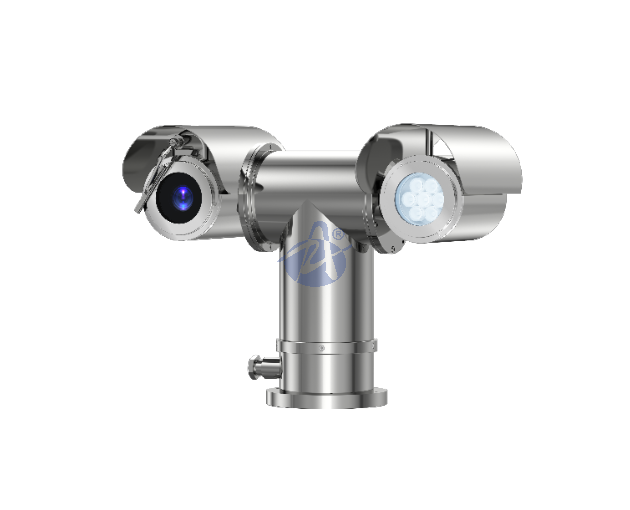
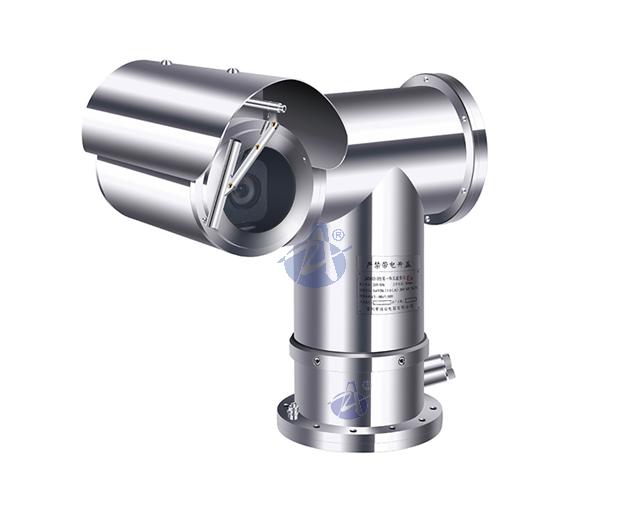
Stainless steel camera construction provides superior resistance to salt spray, chemical vapors, and extreme humidity.
Sealed enclosures with IP66/IP67/IP68 ratings prevent moisture and corrosive gases from damaging internal electronics.
Long service life reduces replacement costs and maintenance downtime in difficult-to-access locations.
Compatible with standard security systems while offering enhanced durability.
ATEX thermal camera options available for hazardous area monitoring with explosion-proof certification.
Reliable operation maintains security coverage even in the most challenging industrial conditions.
Key Takeaways
Corrosion-resistant camera systems use specialized materials like 316L stainless steel to resist salt, chemicals, and moisture in harsh environments.
They follow strict sealing standards (IP66/IP67/IP68) and use corrosion-resistant coatings to ensure long-term reliability.
Proper material selection between 304 and 316L stainless steel grades significantly impacts performance in chloride-rich atmospheres.
ATEX thermal camera systems combine explosion-proof certification with anti-corrosion protection for hazardous industrial zones.
Regular inspection and maintenance prevent seal degradation and extend camera lifespan in aggressive environments.
Installation requires proper drainage design, cable management, and mounting techniques to maximize corrosion resistance.
High initial investment delivers lower total cost of ownership through extended service life and reduced replacement frequency.
Certified corrosion-resistant cameras from experienced suppliers guarantee compliance with safety standards and reliable performance.
What Is an Anti-Corrosion Camera?
Basic Construction
An anti-corrosion camera is a robust surveillance device engineered specifically to operate in environments where corrosion would destroy standard equipment. Manufacturers typically construct these systems using 316L stainless steel or marine-grade aluminum alloys, giving them excellent resistance to chemical attack and atmospheric degradation. Each camera housing features multiple sealing layers that prevent moisture and corrosive gases from reaching internal electronics. The enclosure weighs between 3–8 kg depending on size and includes sealed cable entry points designed for harsh environment use. These cameras incorporate specialized windows made from tempered glass or sapphire that resist chemical etching and maintain optical clarity over years of exposure.
Note:International standards and IEC 60529 specifications set requirements for ingress protection ratings. For example, IP66 rating means complete dust protection and resistance to powerful water jets, while IP68 indicates submersion protection up to specified depths. These ratings guarantee durability in corrosive industrial settings.
| Component / Characteristic | Description |
|---|---|
| Housing Materials | 316L stainless steel, marine aluminum, super-duplex steel |
| Sealing Ratings | IP66, IP67, IP68 |
| Window Materials | Tempered glass, sapphire, chemically-hardened glass |
| Operating Temperature | -40°C to +70°C (standard); extended ranges available |
| Coating Options | Powder coat, electropolishing, specialized anti-corrosion treatments |
| Cable Entry | Marine-grade sealed glands with multiple O-rings |
| Weight Range | 3–8 kg depending on size and features |
| Mounting Options | Wall, ceiling, pole mounts with stainless hardware |
Protection Mechanisms
These camera systems employ multiple layers of protection against environmental degradation. The outer housing acts as the primary barrier, using materials selected for their resistance to specific corrosive agents. Internal components receive conformal coating—a thin protective layer applied to circuit boards that prevents moisture condensation from causing electrical failures. Quality systems use pressure equalization valves with desiccant chambers that manage internal humidity while preventing external contaminants from entering. The window sealing system typically incorporates silicone or EPDM gaskets that maintain flexibility across temperature extremes while resisting chemical attack.
Key Design Features
Several critical design elements distinguish effective corrosion-resistant designs from standard weatherproof equipment:
Drainage channels direct water away from seals and prevent pooling on horizontal surfaces
Smooth surface finishes eliminate crevices where corrosion can initiate
All fasteners use the same material grade as the housing to prevent galvanic corrosion
Cable entries incorporate strain relief and multiple sealing stages
Viewing windows mount with compression seals rather than adhesives that degrade over time
Tip: Always verify that mounting hardware matches the housing material grade. Using dissimilar metals creates galvanic corrosion that compromises the entire system, even if the camera enclosure itself remains intact.

Importance of Anti-Corrosion Cameras
Environmental Protection
Corrosion-resistant cameras form the foundation of reliable surveillance in aggressive industrial environments. These specialized systems sit at critical monitoring points where they face continuous exposure to salt spray, chemical vapors, or high humidity. They create a sealed barrier that protects sensitive electronics from environmental attack. Without proper anti-corrosion design, surveillance systems cannot support operational needs or maintain security coverage. The materials used—such as 316L stainless steel or specialized coatings—are chosen for their ability to resist specific chemical exposures and atmospheric conditions.
Note: The protective design of corrosion-resistant cameras allows facilities to maintain continuous surveillance even in areas with pH extremes, high chloride content, or aggressive chemical atmospheres. This capability supports both security requirements and process monitoring needs.
Long-Term Reliability
Corrosion-resistant cameras play a key role in reducing maintenance costs and improving system uptime. When cameras are properly specified for their environment, they operate reliably for 15–20 years with minimal maintenance. This extended service life contrasts sharply with standard cameras that may require replacement every 1–2 years in corrosive conditions. The cost savings multiply in difficult-to-access locations like offshore platforms, tall stacks, or inside process areas where equipment changes require scaffolding, work permits, and production shutdowns.
Critical Application Support
Corrosion-resistant cameras enable monitoring in environments where surveillance is most needed but also most challenging. Chemical processing facilities require cameras that withstand acidic or alkaline vapors while providing clear images of process equipment and safety zones. Offshore oil platforms need reliable surveillance despite constant salt spray and high winds. Wastewater treatment plants depend on corrosion-resistant cameras that continue functioning despite hydrogen sulfide and chlorine exposure. Food processing facilities use stainless steel camera systems that survive repeated high-pressure washdowns with hot water and sanitizing chemicals.
Tip: When selecting cameras for corrosive environments, consider not just current conditions but potential future exposures. Process changes, new chemicals, or increased production rates may alter the corrosive environment and affect equipment longevity.
How Anti-Corrosion Cameras Work
Material Science Principles
Corrosion-resistant cameras rely on careful material selection to resist environmental degradation. Stainless steel camera housings contain chromium and other alloying elements that form a passive oxide layer on the surface. This layer continuously regenerates if damaged, providing ongoing protection against corrosion. The 316L grade includes molybdenum, which enhances resistance to chloride-induced pitting—particularly important in marine environments. The material composition must withstand both general corrosion (uniform surface degradation) and localized attack (pitting and crevice corrosion). Engineers select materials based on the specific corrosive agents present, considering pH levels, chloride content, temperature, and exposure duration.
Quality corrosion-resistant cameras undergo salt spray testing per ASTM B117 standards to verify their resistance to marine atmospheres. This testing exposes samples to continuous salt fog for extended periods, simulating years of coastal exposure. Only materials and coatings that pass these rigorous tests provide reliable long-term protection.
Sealing Technologies
The sealing system protects internal electronics from moisture and corrosive gases, using multiple sealing stages to create redundant protection. The primary seal uses compression gaskets made from EPDM, Viton, or silicone—materials selected for their chemical resistance and flexibility across temperature ranges. Behind the primary seal, a secondary barrier provides backup protection if the first seal degrades. Some advanced systems maintain slight positive pressure inside the housing using desiccant breathers or purge gas systems, preventing external contaminants from entering even if minor seal imperfections exist.
Compression seals around windows and access doors
O-rings at cable entry points with multiple sealing stages
Desiccant chambers to absorb moisture that enters during maintenance
Pressure equalization valves that manage internal pressure without allowing contaminant ingress
Cable gland design critically affects overall system reliability. Quality installations use marine-grade cable glands with compression seals that grip the cable jacket while preventing moisture migration along the conductor strands. The cable itself should have a continuous, UV-resistant outer jacket without breaks or damage.
Protective Coatings
Beyond base material selection, protective coatings provide additional corrosion resistance. External coatings like powder coat or specialized epoxy formulations create a barrier between the metal surface and corrosive atmosphere. These coatings must adhere strongly to the substrate and remain flexible enough to avoid cracking when the metal expands and contracts with temperature changes. Internal circuit boards receive conformal coating—typically acrylic, urethane, or parylene—that prevents moisture from causing electrical failures. Coating damage from impact, abrasion, or improper installation creates vulnerable spots where corrosion can initiate; regular inspection should identify coating damage early.
Types and Specifications
Housing Material Options
Manufacturers offer corrosion-resistant cameras in several material grades to match different environmental conditions. The 304 stainless steel grade provides good corrosion resistance for moderate environments with occasional moisture or mild chemical exposure. The 316L stainless steel grade delivers superior protection in harsh conditions, particularly where chlorides are present from salt spray or chemical processes. Super-duplex stainless steels combine high strength with exceptional corrosion resistance for the most demanding offshore and chemical applications. Marine-grade aluminum alloys offer lighter weight with good corrosion resistance when properly coated and maintained.
Material selection significantly impacts both initial cost and long-term performance. While 316L stainless steel housings cost more than 304 grade, they provide substantially longer service life in chloride-rich environments. The initial premium typically pays back through reduced replacement frequency and lower maintenance costs.
Certification Levels
Corrosion-resistant cameras may carry various certifications depending on their intended use:
IP Ratings: IP66 (protected against powerful water jets), IP67 (protected against temporary immersion), IP68 (protected against continuous submersion)
NEMA Ratings: NEMA 4X (corrosion-resistant, outdoor use), NEMA 6P (submersible)
IK Impact Ratings: IK08 (5 joule impact), IK10 (20 joule impact) for vandal resistance
Explosion-Proof: ATEX, IECEx, UL, CSA certifications for hazardous area use
For facilities with explosive atmospheres, an ATEX thermal camera provides both corrosion protection and certified explosion-proof construction. These specialized systems undergo rigorous testing to ensure that their anti-corrosion features do not compromise explosion protection integrity.
| Certification | Environment | Requirements |
|---|---|---|
| IP66 | Heavy rain, washdown | Dust-tight, jet-proof |
| IP67 | Temporary submersion | Water immersion up to 1m |
| IP68 | Continuous submersion | Extended immersion per specs |
| ATEX | Explosive atmospheres | EU hazardous area compliance |
| IECEx | Explosive atmospheres | International explosive protection |
Camera Technology Types
Anti-corrosion protection applies to various camera technologies:
Fixed Cameras: Single-direction viewing with fixed lens, simplest design for maximum reliability
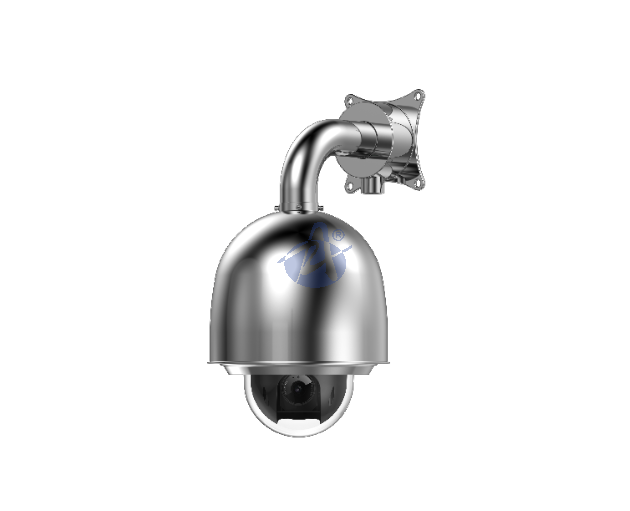
PTZ Cameras: Pan-tilt-zoom capability requiring complex sealing for moving parts
Thermal Imaging: Temperature-based detection, particularly valuable in process monitoring
Explosion-Proof Thermal: ATEX thermal systems combining temperature sensing with hazardous area certification
Multi-Sensor: Multiple camera modules in one housing for wide-area coverage
Thermal imaging technology proves especially valuable in corrosive environments because it can detect process anomalies, equipment malfunctions, and safety hazards through temperature variations. When combined with explosion-proof and anti-corrosion construction, an ATEX thermal camera becomes a powerful tool for petrochemical and chemical processing facilities.
Tip: PTZ cameras in corrosive environments require more frequent maintenance than fixed cameras due to their moving parts and more complex sealing requirements. Consider whether pan-tilt capability is essential or if multiple fixed cameras would provide better long-term reliability.
Installation Best Practices
Site Preparation
Proper installation significantly extends corrosion-resistant camera service life and prevents premature failures. Before mounting equipment, installers should assess the specific corrosive environment at each camera location. This includes measuring pH levels in areas with chemical exposure, evaluating salt spray intensity in coastal locations, and documenting temperature extremes and humidity levels. Site preparation involves cleaning mounting surfaces thoroughly to remove existing corrosion, contamination, or loose paint that could interfere with proper sealing.
Mounting Techniques
Mounting surfaces should be smooth, clean, and free from corrosion products. If mounting to existing steel structures, apply a protective coating to the mounting area to prevent corrosion from spreading to the camera housing. Use mounting hardware made from the same material grade as the camera housing—stainless steel housings require stainless steel fasteners of matching grade. When mounting dissimilar metals together is unavoidable, use insulating gaskets and coatings to prevent galvanic corrosion. Mounting orientation should promote drainage:
Orient housings to direct water away from cable glands and access panels
Ensure cable entries point downward when possible
Install sunshades or weather hoods in exposed locations
Maintain clearance around the housing for air circulation and maintenance access
Avoid mounting in areas where water drains directly onto the camera
Cable Management
Cable routing critically affects system longevity in corrosive environments. Cables should slope continuously away from the camera toward junction boxes, preventing water from running along the cable toward the enclosure. Use UV-resistant and chemically-resistant cable jackets appropriate for the specific environment. Support cables at regular intervals to prevent sagging that creates low points where water accumulates. Avoid sharp bends that stress cable jackets.
Note: Even the best corrosion-resistant camera housing cannot protect internal electronics if moisture enters through poorly sealed cable glands. Cable entry points represent the most common failure mode in corrosive environment installations, making proper installation technique essential.
Maintenance and Inspection
Routine Inspection Schedule
Regular inspection and maintenance prevent minor issues from becoming system failures. Inspection frequency depends on environmental severity, ranging from monthly in harsh offshore or chemical processing environments to quarterly in moderate industrial settings. Each inspection should document the condition of housings, seals, mounting hardware, and cables to track degradation over time.
Visual examination of housing for corrosion, coating damage, or deformation
Seal condition around windows, doors, and cable entries
Gasket flexibility and compression
Cable jacket condition and support integrity
Mounting hardware tightness and corrosion
Window clarity and cleanliness
Internal desiccant condition (if accessible)
Image quality and camera functionality
Cleaning Procedures
Salt deposits, chemical residues, and biological growth require regular removal to maintain both camera performance and housing integrity. For stainless steel housings, use fresh water rinses to remove salt deposits after exposure to marine environments. Mild detergent solutions remove oil-based contamination without affecting coatings or seals. Avoid abrasive cleaners or tools that scratch protective coatings. Window cleaning requires particular care—use soft, clean cloths and appropriate optical cleaning solutions; never use paper towels or rough fabrics that could scratch glass or sapphire windows.
Preventive Maintenance
Gaskets and seals degrade over time even without visible damage, losing their compression and sealing ability. Replace seals according to manufacturer recommendations or inspection findings, typically every 2–5 years depending on conditions. Desiccant chambers require periodic desiccant replacement when color indicators show saturation. Test camera functionality during each maintenance visit, verifying image quality, focus, and any motorized features. Maintain spare parts inventory for critical cameras in remote locations—having replacement gaskets, desiccant cartridges, and cable glands readily available reduces downtime.
Selecting the Right Solution
Environmental Assessment
Successful corrosion-resistant camera selection requires systematic evaluation of site conditions and operational requirements. Begin by characterizing the corrosive environment in detail. Document specific chemicals present, their concentrations, and whether exposure is continuous or intermittent. For coastal installations, measure salt spray intensity and expected exposure duration. Evaluate temperature extremes, humidity patterns, and UV exposure levels. This assessment guides material grade selection, sealing requirements, and coating choices that match the actual environment rather than assumed conditions.
Cost Analysis and Payback
Long-term operational costs favor corrosion-resistant cameras in harsh environments. Standard cameras requiring replacement every 1–2 years incur not only repeated equipment costs but also installation labor, system downtime, and potential security gaps during failures. Anti-corrosion cameras operating reliably for 15–20 years eliminate most of these recurring costs. Calculate payback period by comparing total costs over the equipment lifecycle:
Standard camera approach: Equipment cost + (Number of replacements × Replacement cost including labor) + Maintenance costs
Corrosion-resistant camera approach: Initial equipment cost + Installation cost + Maintenance costs
For a typical offshore installation requiring scaffolding access, a simplified 20-year comparison works out as follows: standard camera at $500 with 8 replacements at $3,000 each plus $200 per year maintenance totals $28,500; an anti-corrosion camera at $3,500 with $1,500 installation plus $100 per year maintenance totals $7,000. This simplified example shows payback within the first replacement cycle, with continuing savings throughout the equipment life. Actual calculations should include site-specific access costs, labor rates, and downtime impacts.
Note: ROI calculations become even more favorable when factoring in risk reduction, improved reliability, and avoided costs from surveillance system failures during critical operations.
Common Applications
Chemical Processing. Chemical manufacturing facilities present some of the most demanding environments for surveillance equipment. Cameras must withstand continuous exposure to acidic or alkaline vapors, organic solvents, and wide temperature fluctuations. Stainless steel camera housings with 316L or higher grades provide baseline protection, but complete system design must consider window materials, seal compounds, and coating compatibility with specific chemical exposures.
Marine and Offshore. Offshore oil platforms, ships, port facilities, and coastal installations face constant salt spray, high winds, and the combination of UV radiation with marine atmosphere. Corrosion rates in these environments can be 10–50 times higher than inland locations. Corrosion-resistant cameras designed for marine use typically incorporate 316L stainless steel construction with additional protective coatings and enhanced drainage systems. For offshore platforms producing or processing hydrocarbons, explosion-proof protection combines with anti-corrosion design—ATEX thermal camera systems monitor process equipment, flare stacks, and safety zones while withstanding both explosive atmosphere requirements and harsh marine conditions.
Wastewater and Water Treatment. Wastewater treatment plants and desalination facilities need cameras that resist hydrogen sulfide, chlorine, ammonia, and other aggressive chemicals while maintaining reliable operation in humid conditions. High humidity combined with corrosive gases accelerates metal degradation, so cable entry points and connector specifications deserve special attention.
Food and Pharmaceutical. Food processing and pharmaceutical manufacturing environments demand corrosion resistance combined with hygiene considerations. Cameras must withstand regular washdown procedures using hot water, steam, and sanitizing chemicals. Stainless steel housings for these applications require smooth surface finishes without crevices where bacteria could accumulate, along with drainage designs that prevent water pooling.
Emerging Technologies
Advanced Materials
Material science continues advancing corrosion-resistant camera technology through new alloys, coatings, and surface treatments. Super-duplex stainless steels provide exceptional corrosion resistance with high strength, enabling thinner walls and lighter weight. Titanium alloys offer outstanding corrosion resistance in the most aggressive environments but at premium cost. Ceramic coatings applied via thermal spray processes create ultra-hard, chemically-resistant surfaces. Nanotechnology-based coatings show promise for enhanced corrosion resistance with minimal thickness, and self-healing coatings under development could automatically repair minor damage.
Smart Integration
Modern corrosion-resistant cameras increasingly incorporate edge processing and artificial intelligence capabilities. On-board analytics detect security threats, process anomalies, or equipment malfunctions without requiring constant operator monitoring. Integration capabilities expand beyond traditional video management to include Industrial IoT platforms for process monitoring, predictive maintenance systems using thermal imaging data, automated alert generation, direct control system interfaces, and cloud connectivity for remote monitoring.
Wireless Advances
While wired connections remain preferred for reliability and power delivery in most industrial settings, wireless technology advances may reduce installation complexity in some anti-corrosion camera applications. Private 5G networks, WiFi 6, and other emerging standards offer improved range, bandwidth, and security. Wireless solutions must still address power requirements through local sources, solar panels with battery backup, or energy harvesting technologies.
Conclusion
Protecting surveillance investments in corrosive environments requires careful attention to material selection, sealing design, proper installation, and ongoing maintenance. Corrosion-resistant cameras built with 316L stainless steel housings, quality sealing systems, and appropriate protective coatings deliver reliable performance where standard equipment quickly fails. When applications also involve explosion hazards, ATEX thermal camera and certified explosion-proof systems provide necessary protection while maintaining corrosion resistance.
Successful implementation starts with thorough environmental assessment and clear definition of surveillance requirements. Working with experienced suppliers who understand both corrosion mechanisms and explosion-proof requirements ensures proper equipment selection and application engineering. Though initial investment in quality anti-corrosion cameras exceeds standard equipment costs, total cost of ownership analysis consistently favors robust systems in demanding environments.
Facilities should prioritize accurate environment characterization, proper installation following manufacturer specifications, regular inspection and maintenance to prevent seal degradation, documentation of equipment condition and maintenance history, and partnership with qualified suppliers for technical support.
Looking for a Reliable Anti-Corrosion Camera Manufacturer?
ZAEX (Changzhou Zuoan Electronics Co., Ltd.) is an ATEX/IECEx certified explosion-proof camera manufacturer in Changzhou, China, supplying stainless steel anti-corrosion cameras, PTZ cameras, and ATEX thermal camera systems for offshore, chemical, wastewater, and food processing applications. Buyers can request IP ratings, material certifications, test reports, or samples before ordering.
Send an Inquiry to ZAEXView Anti-Corrosion Cameras →FAQ
They use specialized materials like 316L stainless steel and advanced sealing systems designed specifically to resist chemical attack, not just rain and dust. Weatherproof cameras may have basic seals adequate for outdoor use but will corrode quickly in aggressive industrial environments with salt, chemicals, or high humidity.
Inspect cameras regularly for visible corrosion, coating damage, seal deterioration, or image quality degradation. Any pitting, rust staining, or damaged seals indicate the camera may not provide adequate protection. Replace cameras showing structural degradation before complete failure occurs.
No, stainless steel grades differ significantly in corrosion resistance. 304 grade offers basic protection for mild environments, while 316L provides superior resistance particularly against chloride-induced corrosion. Super-duplex grades offer the highest resistance for the most demanding applications.
Inspection frequency depends on environment severity. Harsh offshore or chemical processing environments require monthly inspections. Moderate industrial settings need quarterly checks. Coastal installations typically benefit from bi-monthly inspections.
Yes, when properly certified. ATEX thermal camera systems and other explosion-proof models combine corrosion resistance with hazardous area certification. These specialized cameras meet requirements for use in Zone 1, Zone 2, Division 1, or Division 2 classified locations while withstanding corrosive conditions.
Cable entry points represent the most common failure mode. Improperly sealed cable glands allow moisture and corrosive gases to enter the housing, damaging internal electronics. Proper installation technique and regular seal inspection prevent most failures. Galvanic corrosion from dissimilar metals also causes premature housing degradation.
Yes, thermal cameras need the same corrosion protection as visible light cameras when deployed in harsh environments. The thermal sensor and optics are equally vulnerable to moisture and corrosion. An ATEX thermal camera includes both the specialized thermal imaging capability and robust environmental protection for industrial use.
Salt spray accelerates corrosion by depositing chlorides on surfaces that attack protective oxide layers. Salt also accumulates on windows, degrading image quality. Regular freshwater rinsing removes salt deposits and significantly extends equipment life in marine environments. Stainless steel camera housings with 316L grade resist salt-induced corrosion better than lower grades.
Regular maintenance includes visual inspection for corrosion or damage, cleaning of windows and housings, seal condition checks, and desiccant replacement when applicable. Most systems need thorough inspection and cleaning every 1–6 months depending on conditions. Seals typically require replacement every 2–5 years.
Wireless models exist but remain less common than wired systems in industrial applications. Wireless cameras must address both power delivery and signal reliability in metal-rich industrial environments. Most installations prefer wired connections for reliability, though wireless technology continues improving for specific applications where cable routing proves impractical.
References and Image Credits
International Electrotechnical Commission (IEC) — IEC 60529 ingress protection standard: https://www.iec.ch/
Stainless steel — Wikipedia: https://en.wikipedia.org/wiki/Stainless_steel
American Society for Testing and Materials (ASTM) — ASTM B117 salt spray testing: https://www.astm.org/
Images — ZAEX (https://en.zaex.com.cn/)
Note: ratings (IP66/IP67/IP68, NEMA 4X/6P, IK08/IK10, ATEX, IECEx), temperature ranges, service life (15–20 years vs. 1–2 years), marine corrosion-rate multipliers (10–50×), seal replacement intervals (2–5 years), and the simplified payback example are typical industry values and estimates used for guidance; actual performance depends on site conditions, environment severity, and manufacturer specifications. Verify certifications and specifications directly with the supplier before purchase.