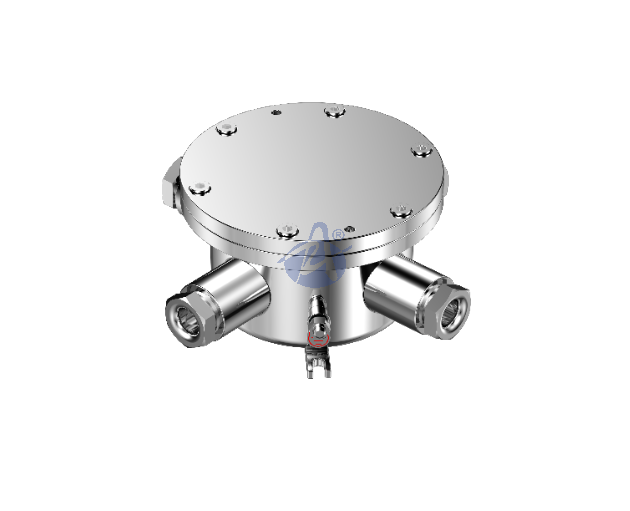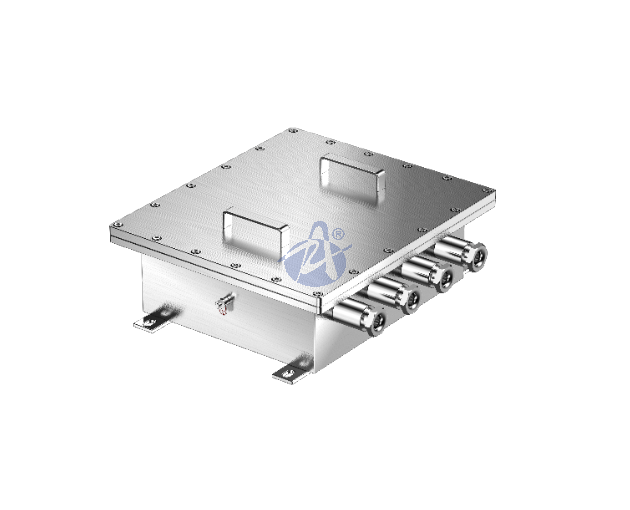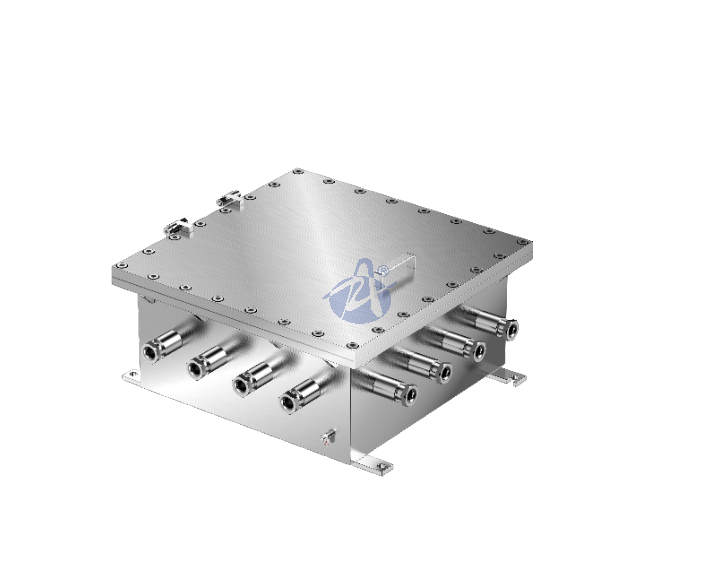



Explosion-Proof Box: Essential Safety in Hazardous Areas
An explosion-proof box serves as a specialized safety enclosure designed to contain internal explosions and prevent ignition of hazardous atmospheres in industrial environments. These critical safety devices protect electrical equipment and personnel in locations where flammable gases, vapors, or combustible dust may be present, ensuring continuous operations without compromising safety standards.
Heavy-duty construction withstands internal pressure from explosions while maintaining structural integrity
Precision flame paths cool escaping gases below ignition temperature before reaching external atmospheres
Certified designs meet ATEX, IECEx, UL, and NEC standards for hazardous location requirements
Corrosion-resistant materials ensure long-term reliability in harsh chemical and offshore environments
Compatible with existing electrical systems while providing enhanced explosion protection
Versatile applications across petrochemical, mining, pharmaceutical, and chemical processing industries
Key Takeaways
Explosion-proof boxes contain internal explosions through robust construction and engineered flame paths that prevent external ignition.
They comply with zone classification systems (Zone 0/1/2 or Division 1/2) and require appropriate certifications for specific hazardous areas.
Material selection between cast aluminum and stainless steel significantly impacts corrosion resistance and long-term performance.
Proper installation with certified cable glands and sealing systems maintains explosion protection integrity.
Regular inspection of gaskets, seals, and flame paths ensures continued compliance with safety standards.
Temperature class ratings (T1–T6) must match the ignition temperature of hazardous materials present.
Initial investment delivers substantial safety benefits and regulatory compliance in classified locations.
Selecting experienced manufacturers ensures proper engineering, testing, and certification for specific applications.
What Is an Explosion-Proof Box?
Fundamental Design Principles
An explosion-proof box is a robust electrical enclosure engineered specifically to prevent internal explosions from igniting hazardous atmospheres in surrounding areas. Unlike standard weatherproof enclosures that simply protect against moisture and dust, these specialized units are constructed to contain explosive forces and direct them safely. The enclosure features precision-machined mating surfaces that create controlled flame paths—narrow gaps through which hot gases can escape while cooling below the ignition temperature of external flammable materials. Manufacturers construct these enclosures from cast aluminum alloy or stainless steel with wall thicknesses ranging from 6–12 mm depending on size and pressure requirements. Each unit undergoes rigorous pressure testing and flame path verification to ensure compliance with international explosion protection standards.
Note: International standards including ATEX directive 2014/34/EU and the IECEx system define requirements for equipment intended for use in potentially explosive atmospheres. These standards specify construction methods, testing procedures, and marking requirements that manufacturers must follow to certify their products for hazardous location use.
| Component / Characteristic | Description |
|---|---|
| Housing Materials | Cast aluminum alloy (AL-Si10Mg), 316L stainless steel, bronze |
| Wall Thickness | 6–12 mm depending on volume and classification |
| Flame Path Width | 0.1–0.4 mm depending on gas group and enclosure volume |
| Temperature Class | T1 through T6 (450°C to 85°C maximum surface temperature) |
| Entry Thread Types | NPT, metric, BSP with certified cable glands |
| Ingress Protection | IP66, IP67, IP68 for environmental sealing |
| Weight Range | 2–25 kg depending on size and material |
| Volume Range | 100 cm³ to 30,000 cm³ for standard models |
Protection Mechanisms
Explosion-proof boxes employ multiple engineering principles to ensure safety in hazardous areas. The primary protection method involves containment—when an internal arc or spark ignites flammable gases that may have entered the enclosure, the robust walls contain the resulting pressure rise without rupture. As pressure builds inside, hot gases escape through precisely engineered flame paths formed by threaded joints, flanged covers, or shaft penetrations. These narrow gaps extend the flame path length, causing rapid heat dissipation to the metal walls. By the time gases exit the enclosure, their temperature drops below the ignition point of external hazardous atmospheres. This cooling effect depends on maintaining specific flame path dimensions—any damage, corrosion, or contamination that widens these gaps compromises explosion protection.
Key Design Features
Several critical design elements distinguish effective explosion-proof boxes from standard industrial enclosures:
Threaded covers with minimum five full threads engaging to create long flame paths
Flat flanged joints machined to maintain flatness within 0.05 mm across the sealing surface
Ground bonding provisions ensure electrical continuity prevents static discharge
Cable entry points accept only certified explosion-proof cable glands with proper sealing
No internal ignition sources through proper circuit design and component selection
Surface temperature limits match the ignition characteristics of hazardous materials present
Breathing and drainage provisions prevent moisture accumulation without compromising protection
Tip: Always verify that the enclosure's temperature classification (T-rating) is appropriate for the specific flammable materials present in the installation area. Using a T4-rated enclosure (135°C maximum surface temperature) in an area with materials having ignition temperatures below 135°C creates serious safety hazards.

Importance of Explosion-Proof Boxes
Personnel and Asset Protection
Explosion-proof boxes form an essential safety barrier in facilities handling flammable materials and operating electrical equipment in classified hazardous areas. These specialized enclosures prevent electrical faults, arcs, and sparks from becoming ignition sources that could trigger devastating explosions affecting personnel, production equipment, and surrounding structures. Without proper explosion protection, routine electrical operations like switching circuits, motor starting, or equipment operation could release sufficient energy to ignite flammable gases or combustible dust, resulting in injuries, fatalities, and facility damage.
Note: The economic impact of explosion incidents extends far beyond immediate damage costs. Facilities face production interruptions, regulatory investigations, potential legal liability, insurance complications, and reputation damage that collectively exceed direct incident costs by factors of 10–50 times. This reality makes prevention through proper explosion protection economically essential beyond the obvious safety imperatives.
Regulatory Compliance
Explosion-proof boxes enable facilities to meet mandatory regulatory requirements in jurisdictions worldwide. Regulatory authorities require that electrical equipment installed in classified hazardous areas must carry appropriate certifications demonstrating compliance with explosion protection standards. Operating non-certified equipment in classified areas constitutes serious violations resulting in citations, fines, operational shutdowns, and potential criminal liability in cases involving injuries or fatalities. Certification requirements vary by region:
ATEX certification (European Union) mandatory for equipment sold or installed in EU member states
IECEx certification (International) recognized across multiple countries following IEC standards
UL/CSA listing (North America) required for installations under NEC jurisdiction
PESO approval (India) mandatory for equipment used in Indian hazardous locations
NEPSI certification (China) required for installations in Chinese facilities
Critical Application Support
Explosion-proof junction box solutions enable essential electrical connections and control systems in applications where explosive atmospheres present continuous challenges. Petrochemical refineries require hundreds or thousands of explosion-proof enclosures protecting instrumentation, motor controls, and electrical distribution systems throughout process units where hydrocarbon vapors may be present. Chemical manufacturing facilities depend on certified enclosures that withstand corrosive chemical atmospheres while providing explosion protection. Mining operations need rugged enclosures that function reliably despite dust, moisture, and mechanical abuse while preventing ignition of methane or coal dust. Pharmaceutical facilities use explosion-proof equipment in areas handling flammable solvents during drug manufacturing.
Tip: When planning electrical installations in new facilities or expansions, involve explosion protection specialists early in the design phase. Proper hazardous area classification, equipment selection, and system design prevent costly modifications and ensure regulatory compliance from initial startup.

How Explosion-Proof Boxes Work
Containment and Cooling Principles
Explosion-proof boxes function through a containment strategy rather than preventing internal ignition. The engineering assumption recognizes that flammable gases or vapors may enter enclosures through normal breathing (thermal expansion and contraction) or during maintenance when covers are opened. If an internal electrical fault creates a spark while flammable atmosphere exists inside, ignition will occur. The explosion-proof design contains the resulting pressure rise within the enclosure walls without rupture or permanent deformation. As internal pressure increases, combustion gases escape through engineered flame paths formed by threaded joints, flanged surfaces, or shaft penetrations. These narrow gaps create large surface areas that conduct heat from the hot gases to the metal enclosure walls, reducing gas temperature below the autoignition temperature of external flammable materials before gases exit into the surrounding hazardous atmosphere.
Flame path effectiveness depends on maintaining specific dimensional tolerances. For gases in Group IIC (hydrogen, acetylene), the most easily ignited materials, flame path widths must not exceed 0.1 mm for small enclosures. Less sensitive gas groups (IIB, IIA) permit wider flame paths, but manufacturers typically design conservatively to ensure protection across multiple gas groups.
Pressure Rating and Volume Relationships
The mechanical strength required for an explosion-proof box correlates directly with its internal volume and the pressure rise expected during internal explosions. Larger enclosures experience higher pressure development when filled with stoichiometric flammable mixtures. Standards specify reference pressure values ranging from 1.5 bar for gases in Group IIA up to 4.0 bar for Group IIC materials. Manufacturers verify enclosure strength through hydrostatic pressure testing at 1.5 times the reference pressure, typically 6–15 bar depending on classification. Volume also affects flame path requirements—standards specify minimum flame path lengths based on enclosure volume, ranging from 6 mm for volumes under 100 cm³ up to 25 mm or more for volumes exceeding 2000 cm³.
Temperature Classification System
Surface temperature limits prevent explosion-proof boxes from becoming external ignition sources through heat conduction from internal components. Every flammable material has a characteristic autoignition temperature—the lowest temperature at which it will spontaneously ignite in air without an external flame or spark. Explosion-proof enclosures receive temperature class ratings (T1 through T6) indicating maximum surface temperature under normal and fault conditions:
T1: 450°C maximum surface temperature
T2: 300°C maximum surface temperature
T3: 200°C maximum surface temperature
T4: 135°C maximum surface temperature
T5: 100°C maximum surface temperature
T6: 85°C maximum surface temperature
Equipment designers must calculate maximum surface temperature considering ambient temperature, internal power dissipation, component temperatures, and thermal resistance between internal heat sources and external surfaces. The selected temperature class must provide adequate safety margin below the ignition temperature of all flammable materials that may contact the enclosure surface.
Note: Temperature ratings apply under both normal operation and foreseeable fault conditions. If a component failure could cause increased heat generation, the temperature class must account for this worst-case scenario, not just steady-state operating temperatures.
Types and Specifications
Material Construction Options
Manufacturers produce explosion-proof boxes in several material grades to match different environmental conditions and mechanical requirements. Cast aluminum alloy represents the most common construction material, offering excellent strength-to-weight ratio, good corrosion resistance, and relatively economical production costs. Typical aluminum alloys include AL-Si10Mg (similar to ASTM A356) providing tensile strength around 240 MPa with good casting properties for complex geometries. Aluminum enclosures suit general industrial environments and perform well in most chemical processing applications; however, aluminum shows limited resistance to strong alkalis and certain chlorinated solvents.
Stainless steel construction provides superior corrosion resistance for harsh chemical environments, offshore marine locations, and applications requiring frequent washdown or sterilization. Type 316L stainless steel offers excellent resistance to chlorides, acids, and alkaline solutions while maintaining mechanical strength adequate for explosion protection. Stainless steel enclosures typically cost 2–3 times more than comparable aluminum units but deliver substantially longer service life in aggressive atmospheres.
Zone Classification and Protection Concepts
Hazardous area classification systems define where explosion-proof boxes must be used and which protection levels apply. The IEC 60079-10-1 standard provides comprehensive guidance for classifying areas with explosive gas atmospheres:
Zone System (IEC/ATEX/IECEx):
Zone 0: Explosive atmosphere present continuously or for long periods—equipment must provide extremely high protection level (Category 1)
Zone 1: Explosive atmosphere likely during normal operations—equipment requires high protection level (Category 2)
Zone 2: Explosive atmosphere unlikely except during abnormal conditions—equipment needs adequate protection level (Category 3)
Class/Division System (NEC/NFPA 497):
Class I, Division 1: Flammable gases/vapors present under normal conditions or frequently due to maintenance—requires explosion-proof or intrinsically safe equipment
Class I, Division 2: Flammable gases/vapors contained within closed systems, abnormal releases only—permits explosion-proof, purged, or non-incendive equipment
Equipment marking indicates which classifications and conditions each explosion-proof junction box can safely serve. A typical marking might read: "Ex d IIC T4 Gb" indicating flameproof protection (d), suitable for gas Group IIC, temperature class T4, equipment protection level Gb (Zone 1).
| Certification | Geographic Scope | Marking Format | Example |
|---|---|---|---|
| ATEX | European Union | Ex d IIC T6 Gb | Flameproof, Group IIC, T6, Zone 1 |
| IECEx | International | Ex d IIC T4 Gb | Flameproof, Group IIC, T4, Zone 1 |
| UL/CSA | North America | Class I, Div 1, Groups C,D, T4 | Division 1, suitable for Groups C and D gases |
| NEPSI | China | Ex d IIC T6 Gb | Similar to IECEx format |
Size and Configuration Options
Explosion-proof boxes are available in standardized sizes and custom configurations to accommodate specific installation requirements. Standard junction box models range from compact units (100×100×80 mm, approximately 0.8 liters volume) suitable for simple cable terminations up to large enclosures (600×800×300 mm, approximately 144 liters volume) housing complex control systems. Common configurations include:
Single-compartment boxes for straightforward wiring connections and terminal blocks
Multi-compartment designs separating different circuit voltages or signal types with internal explosion-proof barriers
Instrumentation enclosures sized for specific devices like transmitters, analyzers, or control modules
Maintenance and Inspection
Inspection Schedule
Regular inspection preserves explosion protection integrity over the life of the enclosure. Harsh environments require monthly inspections, moderate conditions need quarterly checks, and annual comprehensive inspections apply as a minimum for most installations. Each inspection should verify the condition of flame paths, gaskets, cable glands, and mounting hardware.
Flame Path Care
Contamination, corrosion products, or process materials can block flame paths or create gaps that compromise cooling effectiveness. Inspect flame paths during each enclosure opening, removing any contamination with appropriate cleaning methods. For threaded joints, use wire brushes to clean threads without removing metal. Flanged joints require flat, clean mating surfaces—remove old gasket material, corrosion products, or paint buildup. Measure flame path gaps if corrosion or damage appears significant; gaps exceeding specified maximums (typically 0.1–0.4 mm depending on gas group) require repair or enclosure replacement.
Important: Never apply paint, sealant, or other coatings to flame paths—manufacturers design flame paths to function as bare metal-to-metal contact surfaces. Avoid excessive thread compounds or pipe sealants that could squeeze into flame path areas during assembly.
Gasket Replacement
Gaskets and seals maintaining ingress protection degrade over time from compression set, thermal cycling, chemical exposure, and UV radiation. Replace gaskets whenever enclosures are opened for maintenance or when inspection reveals hardening, cracking, permanent compression, or loss of flexibility. Use only manufacturer-specified replacement gaskets—generic gaskets may not provide proper sealing or could interfere with explosion protection. When reassembling covers, tighten bolts in a star pattern to specified torque values achieving even gasket compression around the entire perimeter. Keep adequate spare gasket inventory for commonly used explosion-proof box models in your facility to reduce downtime and prevent improper repairs.
Selecting the Right Solution
Application Engineering Process
Selecting appropriate explosion-proof junction box equipment requires systematic engineering analysis rather than simply choosing standard catalog items. Document specific application requirements including electrical requirements (circuit voltages, current ratings, power levels, number of circuits), environmental conditions (hazardous area classification, ambient temperature range, corrosive atmosphere composition, moisture exposure), and installation factors (available mounting space, cable routing directions, access requirements, existing infrastructure compatibility).
Certification Matching
Match explosion-proof box certifications precisely to installation location requirements. Equipment certified for less hazardous classifications cannot safely operate in more severe conditions—installing Zone 2 equipment in Zone 1 areas, or using Group B equipment where Group C materials are present, creates unacceptable safety hazards. Verify that certifications come from recognized bodies appropriate for the installation jurisdiction: ATEX certification for EU installations, IECEx certificates for international projects, UL listing for US installations, CSA certification for Canadian installations, and local authority approvals as required.
Manufacturer Evaluation
Selecting qualified explosion-proof equipment manufacturers ensures reliable products backed by proper engineering, testing, and support. Evaluate potential suppliers on technical capabilities (in-house explosion testing facilities, engineering staff experienced in explosion protection, ability to provide custom modifications), quality systems (ISO 9001 certification, manufacturing process controls, traceability systems), support services (technical support for application engineering, installation and maintenance training, spare parts availability), and industry experience (references from similar applications, track record in specific hazardous area classifications).
Common Applications
Petrochemical and Refining
Petrochemical facilities and oil refineries represent the most widespread applications for explosion-proof boxes, with thousands of units installed throughout typical facilities. These environments process and store flammable hydrocarbon liquids and gases, creating extensive hazardous areas. Junction box installations protect electrical terminations for instrumentation measuring temperature, pressure, flow, and level throughout process units. Environmental conditions combine explosion hazards with corrosive atmospheres from hydrogen sulfide, organic acids, and salt-laden air in coastal locations—stainless steel explosion-proof boxes provide both explosion protection and corrosion resistance for reliable long-term service.
Chemical Manufacturing
Chemical manufacturing facilities produce, process, and handle countless materials with explosion hazards spanning all gas groups and requiring various temperature classes. Organic solvents create Group IIA vapors, while facilities producing or using hydrogen require Group IIC protection. Junction box systems protect electrical equipment throughout chemical plants including reactor areas, distillation columns, storage areas, material handling systems, and pilot plants. Some applications require frequent washdown, necessitating IP68 ingress protection for submersion resistance.
Mining Operations
Mining industries use explosion-proof boxes protecting electrical systems in underground and surface operations where methane gas or combustible coal dust create explosion hazards. Underground coal mines require equipment meeting strict methane-related certifications, capable of withstanding continuous coal dust exposure, high humidity, and mechanical abuse. Explosion-proof junction box units house electrical connections for continuous miners, conveyor controls, ventilation system monitoring, communication infrastructure, lighting circuits, and pumping systems.
Pharmaceutical Manufacturing
Pharmaceutical manufacturing facilities handle flammable solvents, powders, and gases during drug production, requiring explosion-proof electrical installations in classified areas. Explosion-proof junction box installations protect electrical connections for solvent handling areas, drying operations, powder handling systems, coating and encapsulation processes, and quality control laboratories. Pharmaceutical applications typically specify stainless steel construction meeting sanitary design principles with smooth surfaces and compatibility with cleaning agents used during facility sanitization.
Conclusion
Protecting electrical systems in hazardous areas requires careful attention to explosion protection principles, proper equipment selection, skilled installation, and disciplined maintenance programs. Explosion-proof boxes engineered with robust construction, precision flame paths, and appropriate certifications deliver reliable containment preventing internal faults from igniting external hazardous atmospheres. When applications also involve harsh environmental conditions, stainless steel construction provides necessary corrosion resistance ensuring long-term explosion protection integrity.
Successful implementation starts with accurate hazardous area classification and thorough understanding of flammable materials present. Working with experienced suppliers who provide proper engineering support, certified products, and comprehensive documentation ensures installations meet both safety requirements and operational needs. Though initial investment in quality explosion-proof junction box systems exceeds standard electrical enclosures, total cost of ownership analysis consistently demonstrates value through improved safety, enhanced reliability, and reduced lifecycle costs.
Looking for a Reliable Explosion-Proof Box Manufacturer?
ZAEX (Changzhou Zuoan Electronics Co., Ltd.) is an ATEX/IECEx certified manufacturer in Changzhou, China, supplying explosion-proof junction boxes (Ex d IIC T6 Gb) for gas zones 1/2 and dust zones 21/22, with 316L stainless steel or aluminum construction, IP68 sealing, and optional lightning protection and fiber optic output. Buyers can request certification documents, test reports, or samples before ordering.
Send an Inquiry to ZAEXView Explosion-Proof Boxes →FAQ
Explosion-proof boxes contain internal explosions through robust construction and engineered flame paths that cool escaping gases below ignition temperature. Weatherproof enclosures only protect against moisture and dust without explosion containment capability.
Flame paths are narrow gaps (0.1–0.4 mm) in threaded joints or flanged covers that allow hot gases to escape during internal explosions while contacting metal surfaces that rapidly cool the gases below autoignition temperature before reaching external atmosphere.
Required certifications depend on location: ATEX for EU, IECEx internationally, UL/CSA in North America, PESO in India, NEPSI in China. Equipment must match specific zone classification and gas groups present.
Harsh environments require monthly inspections. Moderate conditions need quarterly checks. Annual comprehensive inspections apply as a minimum for most installations.
Yes, when constructed with appropriate materials. Stainless steel provides excellent corrosion resistance for chemical processing, offshore, and marine applications. Material selection should match specific corrosive agents present.
Damaged or contaminated flame paths allow hotter gases to escape, potentially igniting external atmospheres. Regular inspection and cleaning prevents this hazard. Damaged enclosures exceeding specified tolerances require replacement.
Yes, manufacturers offer custom designs for specialized applications including unusual internal mounting provisions, special entry configurations, or specific space constraints. Custom units require same testing and certification as standard products.
Calculate maximum surface temperature considering ambient temperature, internal heat generation, and thermal transfer. Select temperature class (T1–T6) ensuring surface temperature remains below the lowest autoignition temperature of flammable materials present.
Yes, when wireless components carry appropriate explosion protection certifications. Integration requires ensuring added components don't create ignition sources or exceed temperature limits, and that antenna entries use certified glands.
References and Image Credits
ATEX directive — Wikipedia: https://en.wikipedia.org/wiki/ATEX_directive
IECEx — Wikipedia: https://en.wikipedia.org/wiki/IECEx
International Electrotechnical Commission (IEC) — IEC 60079 series hazardous area standards: https://www.iec.ch/
Images — ZAEX (https://en.zaex.com.cn/)
Note: enclosure values (wall thickness 6–12 mm, flame path widths 0.1–0.4 mm, reference pressures 1.5–4.0 bar, hydrostatic test factor 1.5×, flame path lengths 6–25 mm, T1–T6 temperature classes, weight and volume ranges, aluminum tensile strength, stainless steel cost premium) are typical values based on IEC 60079-1 requirements and industry practice; the 10–50× economic impact factor is a general industry estimate; certification and marking examples are illustrative—always verify actual certificates and markings with the manufacturer for your specific jurisdiction and zone classification.