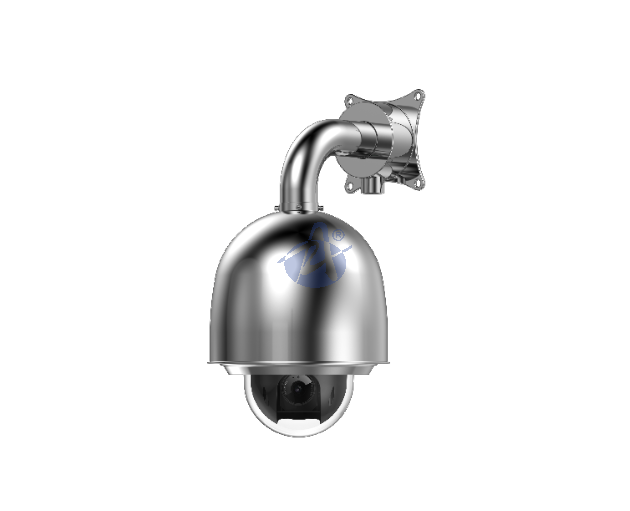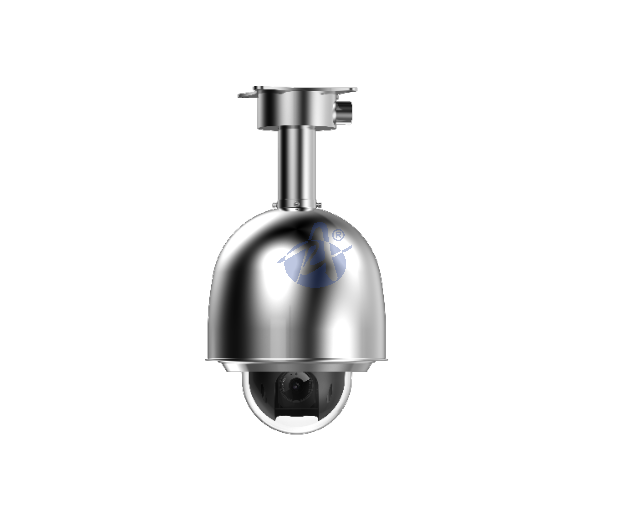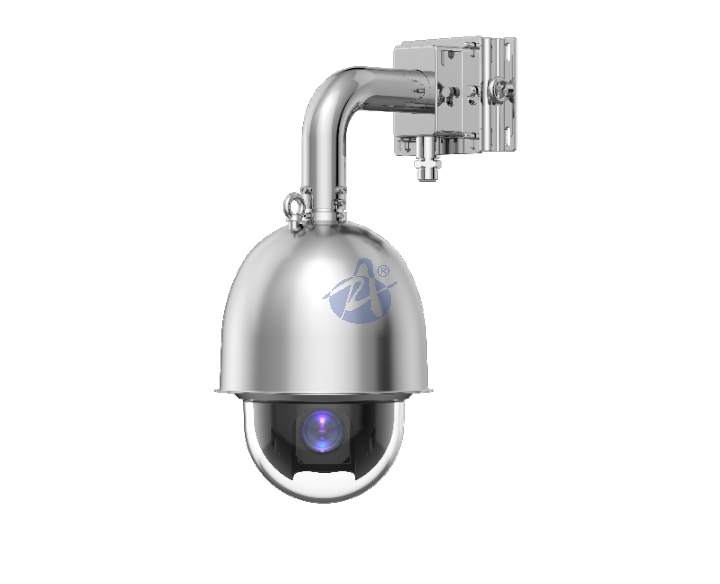



Revolutionary Night Vision: How Explosion Proof Dome Cameras Illuminate Safety in the Dark
In hazardous industrial environments, darkness doesn't mean surveillance stops. Explosion proof dome cameras equipped with advanced night vision technology are transforming how facilities maintain security and safety during low-light operations. These specialized systems combine certified explosion protection with cutting-edge infrared capabilities to deliver crystal-clear imagery when visibility matters most.
Key Takeaways
Explosion proof dome cameras with night vision capabilities provide 24/7 surveillance in hazardous environments without compromising safety certifications
Smart infrared illumination systems adapt power output automatically, maintaining visibility while staying within explosion prevention parameters
Integration of thermal imaging with traditional infrared extends detection capabilities beyond visible spectrum limitations
Proper certification standards (ATEX, IECEx, and UL) ensure safe operation in classified hazardous zones
Advanced image processing algorithms overcome environmental challenges like atmospheric interference and vibration
Multi-spectral fusion technology combines visible, infrared, and thermal data for comprehensive night surveillance
The Critical Need for Night Vision in Hazardous Zones
Why Darkness Amplifies Risk in Industrial Settings
Industrial facilities face heightened dangers during nighttime operations. Reduced visibility increases accident risks, makes equipment monitoring challenging, and creates security vulnerabilities. In environments containing flammable gases, vapors, or combustible dust, standard surveillance systems cannot operate safely, leaving facilities essentially blind in critical moments.
Explosion proof dome cameras with night vision capabilities address this gap, providing continuous surveillance without introducing ignition risks. These systems enable operators to monitor processes, detect anomalies, and respond to incidents even in complete darkness.

The Physics of Night Vision in Explosive Atmospheres
Night vision technology in hazardous zones must overcome unique challenges. Traditional infrared illumination could potentially ignite flammable materials, requiring specialized approaches that balance visibility needs with explosion prevention requirements.
Modern explosion proof dome cameras utilize controlled infrared emission systems that operate within certified safety parameters. These systems emit specific wavelengths and power levels that provide excellent night vision while remaining below ignition thresholds for classified hazardous materials.
Infrared Power Specifications by Hazardous Zone Classification:
| Hazardous Zone Classification | IR Power Limits | Typical Coverage Range | Safety Standard |
Zone 0/Class I Div 1 | <5W total output | 50-75 meters | ATEX/IECEx Ex ia |
Zone 1/Class I Div 1 | <15W total output | 75-100 meters | ATEX/IECEx Ex d |
Zone 2/Class I Div 2 | <25W total output | 100-150 meters | ATEX/IECEx Ex nA |
Advanced Infrared Technology for Hazardous Environments
Smart IR Illumination Systems
Contemporary explosion proof dome cameras incorporate intelligent infrared systems that adapt to environmental conditions:
Variable Power Output: Sensors automatically adjust IR intensity based on ambient conditions and subject distance, preventing overexposure while maximizing visibility range.
Multi-Zone Coverage: Advanced LED arrays provide uniform illumination across wide monitoring areas, eliminating dark spots that could hide critical activities or safety hazards.
Spectral Optimization: Carefully selected infrared wavelengths penetrate atmospheric contaminants common in industrial environments, including steam, smoke, and chemical vapors.
Thermal Integration for Enhanced Detection
Explosion proof PTZ cameras with IR often combine traditional infrared with thermal imaging capabilities:
Temperature Differential Detection: Thermal sensors identify heat signatures invisible to conventional cameras, crucial for detecting equipment overheating or process anomalies in darkness.
Atmospheric Penetration: Thermal imaging cuts through obscurants like fog, steam, and particulates that can impair traditional night vision systems.
Predictive Monitoring: Heat pattern analysis enables early detection of equipment failures or process deviations before they become critical incidents.
Optical Engineering for Superior Night Performance
Low-Light Sensor Technology
The image sensors in explosion proof dome cameras are specifically designed for extreme low-light performance:
High Sensitivity CMOS: Advanced sensor architectures capture usable images in near-zero ambient light conditions while maintaining color accuracy during twilight hours.
Noise Suppression: Sophisticated digital signal processing eliminates electronic noise that typically degrades night vision quality in industrial environments.
Extended Dynamic Range: Wide dynamic range sensors handle extreme contrasts between bright artificial lighting and dark operational areas within the same scene.
Night Vision Performance Comparison:
| Camera Specification | Standard Performance | Explosion Proof Dome Camera Performance | Improvement Factor |
Minimum Illumination | 0.1 Lux | 0.001 Lux | 100x better |
IR Range | 30-50 meters | 100-150 meters | 3x greater |
Dynamic Range | 60 dB | 120 dB WDR | 2x wider |
Operating Temperature | -10°C to +50°C | -40°C to +85°C | Extended range |
Precision Optics for Hazardous Applications
Explosion proof dome cameras feature specialized optical systems optimized for night vision:
Fast Aperture Lenses: Large aperture designs maximize light gathering capability while maintaining sharp focus across the entire image field.
Anti-Reflection Coatings: Multiple optical coatings reduce glare from industrial lighting sources that could compromise night vision effectiveness.
Motorized Focus Systems: Remote focus adjustment ensures optimal image sharpness without requiring physical access to hazardous locations.
For comprehensive information on infrared radiation safety standards in industrial environments, regulatory guidelines provide specific protocols for safe IR implementation.
Real-World Night Vision Applications
Petroleum Refining Operations
Explosion proof dome cameras provide critical night surveillance in hydrocarbon processing:
Tank Farm Monitoring: Continuous observation of storage tank areas where vapor accumulation poses explosion risks, with infrared capability detecting potential leak sources through thermal signatures.
Process Unit Surveillance: Night shift monitoring of distillation columns, reactors, and heat exchangers where equipment failures could create catastrophic incidents.
Perimeter Security: Infrared-enabled perimeter monitoring protects against unauthorized access during vulnerable nighttime hours when facility staffing is reduced.
Chemical Manufacturing Facilities
Process industries leverage night vision capabilities for safety and security:
Reactor Observation: Visual monitoring of chemical processes that continue around the clock, with infrared detection of temperature anomalies indicating reaction deviations.
Storage Area Security: Surveillance of hazardous material storage zones where unauthorized access or tampering could create dangerous situations.
Loading Operations: Monitoring of nighttime product loading and unloading activities where spills or equipment failures pose explosion risks.
Mining and Extraction Industries
Underground and surface mining operations benefit from explosion proof night vision:
Underground Surveillance: Monitoring of coal mine operations where methane accumulation creates constant explosion hazards, with infrared detection of equipment overheating.
Surface Processing: Night surveillance of ore processing facilities where combustible dust requires explosion proof equipment ratings.
Equipment Monitoring: Visual inspection of critical machinery during night shifts when reduced staffing increases reliance on remote surveillance.
Overcoming Environmental Challenges
Atmospheric Interference Management
Industrial environments present unique obstacles to night vision performance:
Particulate Penetration: Advanced infrared wavelength selection enables imaging through industrial dust, steam, and chemical emissions that would blind conventional cameras.
Vibration Compensation: Digital image stabilization compensates for structural vibration common in industrial facilities, maintaining clear night vision during equipment operation.
Temperature Extremes: Thermal compensation systems maintain consistent night vision performance across wide temperature ranges encountered in process industries.
Weather Resistance for Outdoor Applications
Explosion proof dome cameras must deliver reliable night vision despite harsh weather:
Rain and Snow Performance: Heated dome covers prevent precipitation accumulation that could obstruct infrared illumination or image capture.
Wind Resistance: Robust mounting systems prevent camera movement that could degrade night vision stability during high wind conditions.
Humidity Control: Internal climate control systems prevent condensation formation that could impair optical performance during temperature transitions.
Integration with Safety and Security Systems
Emergency Response Coordination
Night vision capabilities integrate with facility safety infrastructure:
Gas Detection Integration: Automatic camera repositioning based on gas detector alarms provides immediate visual verification of hazardous conditions in darkness.
Fire Suppression Coordination: Integration with fire detection systems enables visual confirmation of incidents and monitoring of suppression system effectiveness.
Evacuation Monitoring: Night vision surveillance of evacuation routes ensures personnel safety during emergency responses in low-light conditions.
Operational Efficiency Enhancement
Explosion proof PTZ cameras with IR capabilities support operational objectives:
Remote Process Monitoring: Night shift operators can visually verify process conditions without requiring personnel to enter hazardous areas in darkness.
Maintenance Scheduling: Thermal imaging capabilities enable predictive maintenance by detecting equipment temperature anomalies during night operations.
Quality Assurance: Visual documentation of processes and procedures continues around the clock, supporting regulatory compliance requirements.
Advanced Image Processing for Night Operations
Intelligent Enhancement Algorithms
Modern explosion proof dome cameras employ sophisticated image processing:
Scene Adaptive Processing: Automatic adjustment of enhancement parameters based on environmental conditions and scene content optimizes night vision quality.
Multi-Spectral Fusion: Combination of visible light, near-infrared, and thermal imaging data creates comprehensive situational awareness exceeding individual sensor capabilities.
Motion Detection Optimization: Advanced algorithms distinguish between normal industrial activity and potential security or safety threats during night operations.
Analytics Integration for Smart Surveillance
Night vision capabilities enable intelligent monitoring:
Behavioral Analysis: AI-powered systems identify unusual patterns in personnel movement or equipment operation that could indicate safety concerns.
Intrusion Detection: Sophisticated algorithms differentiate between authorized personnel and potential security threats based on movement patterns and access zones.
Process Deviation Detection: Machine learning algorithms identify variations in normal process activities that could indicate equipment problems or operational issues.
Performance Optimization Strategies
Calibration for Hazardous Environments
Explosion proof dome cameras require specialized setup for optimal night vision:
IR Power Calibration: Precise adjustment of infrared illumination intensity ensures maximum visibility while maintaining explosion proof certification requirements.
Focus Optimization: Fine-tuning optical focus across varying distances and environmental conditions maximizes night vision effectiveness.
Sensitivity Adjustment: Sensor sensitivity calibration balances image quality with noise reduction for specific atmospheric conditions.
Maintenance Protocols for Sustained Performance
Night vision systems require specialized maintenance approaches:
Optical Cleaning Procedures: Regular cleaning protocols maintain infrared transmission and image quality without compromising explosion proof seals.
Calibration Verification: Periodic testing ensures consistent night vision performance across varying environmental conditions.
Component Monitoring: Proactive monitoring of infrared LED arrays and sensor performance prevents degradation that could compromise safety surveillance.
Future Innovations in Night Vision Technology
Emerging Technologies for Hazardous Environments
The evolution of explosion proof dome cameras continues with advancing capabilities:
Enhanced Sensor Technology: Next-generation sensors providing improved sensitivity and resolution for superior night vision performance.
AI-Enhanced Processing: Machine learning algorithms optimizing image quality and threat detection in real-time during night operations.
Extended Range Illumination: Advanced infrared systems providing greater coverage distances with improved energy efficiency.
Integration Advances
Future systems will offer enhanced integration capabilities:
IoT Connectivity: Internet of Things integration enabling predictive maintenance and automated performance optimization.
Cloud Analytics: Remote processing of night vision data for enhanced threat detection and operational insights.
Autonomous Response: Automated system responses to detected anomalies during unmanned night operations.
Conclusion
Explosion proof dome cameras with advanced night vision capabilities represent essential safety infrastructure for hazardous industrial environments. These systems extend surveillance capabilities beyond daylight hours, providing continuous monitoring when facilities are most vulnerable.
The sophisticated combination of explosion proof engineering and cutting-edge infrared technology ensures that darkness no longer compromises safety or security in high-risk environments. From detecting equipment anomalies through thermal imaging to maintaining perimeter security with infrared illumination, these systems deliver the visual intelligence necessary for safe 24/7 operations.
The integration of intelligent processing, environmental adaptation, and predictive analytics creates surveillance solutions that not only see in the dark but provide actionable insights for operational improvement. As industrial facilities increasingly operate around the clock, the night vision capabilities of explosion proof PTZ cameras with IR become not just advantageous but essential for maintaining safety standards and operational efficiency.
For facilities requiring comprehensive night vision surveillance in hazardous environments, partnering with an experienced explosion proof camera manufacturer ensures proper system design and deployment. ZAEX delivers specialized night vision solutions engineered for the unique challenges of hazardous zone monitoring, providing the advanced capabilities necessary for effective darkness surveillance in high-risk industrial applications.
Frequently Asked Questions
Q: How do explosion proof dome cameras maintain night vision without creating ignition risks?
A: Explosion proof dome cameras use controlled infrared LED arrays that operate within certified power limits for specific hazardous zone classifications. The infrared output is precisely calibrated to provide effective illumination while remaining below ignition thresholds for flammable gases and vapors.
Q: What is the typical infrared range for explosion proof cameras in hazardous areas?
A: Most explosion proof dome cameras provide infrared coverage between 100-150 meters, depending on the hazardous area classification and safety requirements. Zone 0 applications may have reduced power limits, resulting in 50-75 meter coverage, while Zone 2 installations can achieve maximum range performance.
Q: Can explosion proof PTZ cameras with IR function effectively in extreme weather conditions?
A: Yes, explosion proof PTZ cameras with IR are designed with weatherproof housings, heated domes to prevent condensation, and temperature compensation systems. They typically operate reliably in temperatures from -40°C to +85°C while maintaining consistent night vision performance.
Q: How do these cameras handle atmospheric interference like smoke or chemical vapors?
A: Advanced explosion proof dome cameras use multi-spectral infrared wavelengths and thermal imaging integration to penetrate atmospheric contaminants. Smart processing algorithms automatically adjust settings to optimize image quality when environmental conditions affect visibility.
Q: What certifications are required for explosion proof cameras with night vision capabilities?
A: Essential certifications include ATEX for European applications, IECEx for international use, and UL/CSA for North American installations. The specific certification level depends on the hazardous area classification where the camera will operate.
Q: How do you maintain optimal night vision performance over time?
A: Regular maintenance includes cleaning optical surfaces with approved methods, verifying infrared LED functionality, and recalibrating sensitivity settings. Preventive maintenance schedules should follow manufacturer guidelines to ensure continued safety certification compliance.
Q: Can these cameras integrate with existing safety and security systems?
A: Modern explosion proof dome cameras offer extensive integration capabilities including gas detection system coordination, emergency response automation, and facility management systems. Network connectivity options include fiber optic and certified wireless systems for hazardous environments.
Q: What is the power consumption difference between standard and explosion proof night vision cameras?
A: Explosion proof dome cameras typically consume 15-25% more power due to robust enclosures and environmental conditioning systems. However, intelligent IR control and energy-efficient LED technology help minimize overall power requirements while maximizing night vision performance.